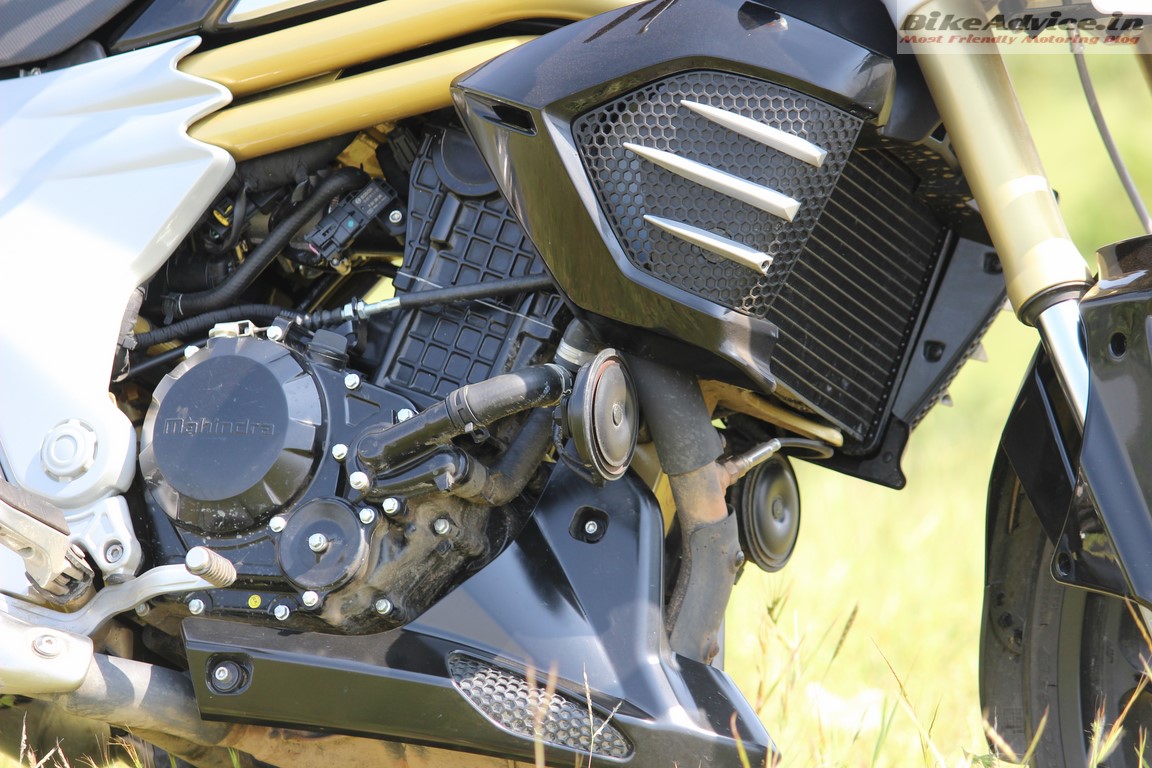
In this quick story, we discuss what is engine knocking, what is engine snatching, and a few ways you can avoid engine knocking in your bike…
In a general scenario if you put forth a question as to what engine knocking is, we could get a definition that more aptly describes engine snatching rather than knocking. The description could be something as follows – when you accelerate the bike at low speed without changing the gear then the engine behaves jerky, which results in ‘engine knocking’.
But this is snatching and not knocking that many of us may not be aware of. Engine knocking refers to the metallic sound while applying pressure on the gas pedal. The sound could be hollow knocking kind or rattling; either ways you would want to keep the engine smooth and less noisy.
How to identify if your engine is knocking

When there is weak knock of your engine it should not worry you as much. In fact, it does a little good to your engine by increasing the flame speed. However, a strong knocking if not addressed at the right time can lead to an almost irreparable damage.
And the strong knock can be recognized from the sound; as if the engine is rattling just like the same noise your engine would emit when you drive very slowly in top gear. It’s like the noise comes when it shouldn’t; you go at optimum speed at the gear.
The negatives of engine knocking
Engine knocking could pose many pollution issues; it releases nitrogen oxide and unburnt hydrocarbons, which are poisonous gases that can cause asthma and emphysema. So you need to be aware of certain facts about engine knocking to keep the environment and the vehicle safe.
Causes of engine knocking
One of the main reasons for engine knocking could be improper combustion process, which is a result of early combustion due to the carbon build-up in the combustion chamber, insufficient air/fuel mixture and if the ignition occurs too quickly.
The engine knocking could also be due to overheating of the engine, which again is a combustion issue. Lack of exhaust gas circulation or irregular gasoline octane also leads to engine knocking.
Damage in crankshaft bearings, a broken flywheel that connects the engine to the transmission, an overused water pump bearing, a loose timing belt, a faulty air conditioning compressor or an alternator with overused bearing can all result in engine knocking; rather they are internal mechanical faults that can cause the engine to create that knocking sound.
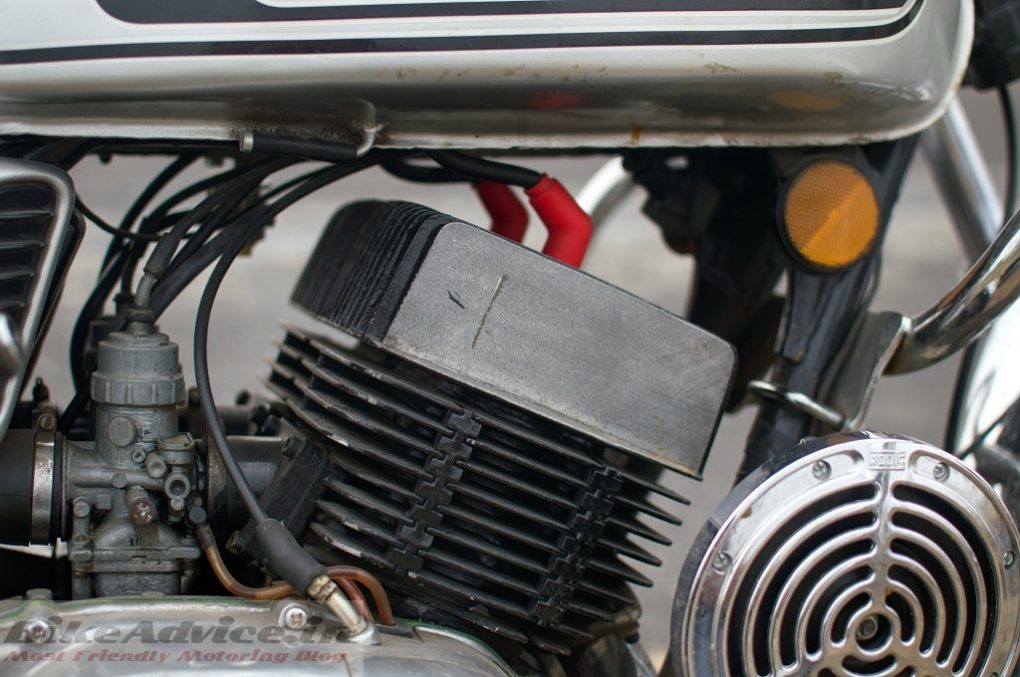
Tyre Ratings, Maintenance: All You Must Know About Tyres – in Simple Terms
Engine knocking cannot be easily recognized, and one needs to have some knowledge to resolve the problem. And when you identify the problem, it is not really necessary for you to dismantle the entire engine. Instead you can try to find the root cause of the knock and then try to rectify it without actually opening up the internal parts.
How Petrol Pump Attendants Cheat You – Quick Pointers
How can you prevent or avoid engine knocking?
- Using appropriate and recommended octane-reading, good quality petrol for the engine
- Give a warm up to the engine before you vroom off, and do not stress the engine during cold winters before it gets warmed or primed.
- Never go for turbochargers that aren’t prescribed for your engine
- There will be engines which come with poor inherent design and they develop knock off.
- Do not go on long rides without breaks; engines that become overheated tend to knock off.
Next Read: “Which Engine Oil Shall I Use?” – Engine Oil Explained in Very Simple Terms