TVS, Bajaj, Hero, Ather and Ola have built a sizeable lead in electric scooters, while Honda, Suzuki and Yamaha are still finding their feet
India’s electric two-wheeler market is moving faster than many expected, and the latest numbers reveal a rather interesting trend: home-grown manufacturers are comfortably ahead of Japanese two-wheeler giants. Electric two-wheelers accounted for nearly 11% of India’s two-wheeler registrations in August 2026, with around 1.83 lakh units registered during the month. Yet Honda, Suzuki and Yamaha together accounted for less than 1% of the electric two-wheeler market.
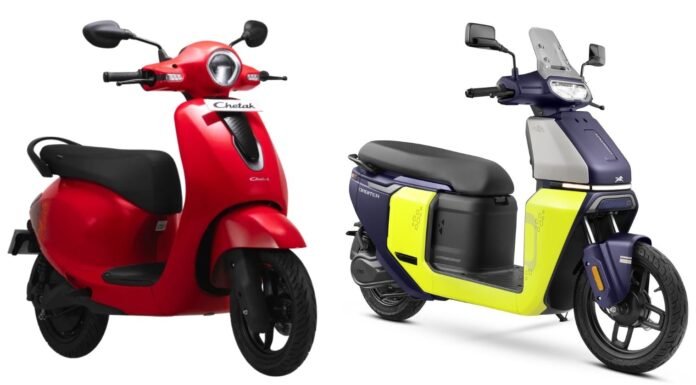
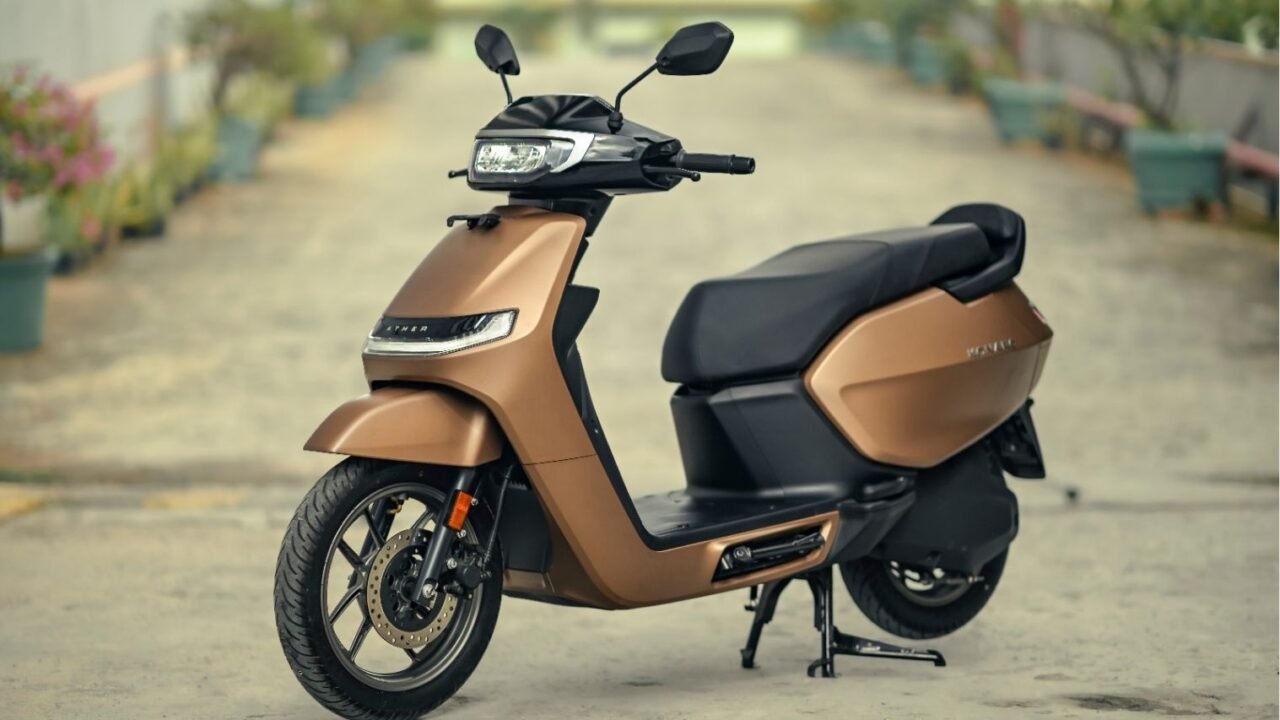
The lead is not really about one company either. TVS, Bajaj and Hero MotoCorp, along with EV specialists such as Ather Energy and Ola Electric, have already built sizeable electric portfolios. TVS alone registered 48,873 electric two-wheelers in August, giving it around 27% of the market. Bajaj followed with 41,019 units, while Ather registered 28,708 units. Hero Vida added another 18,978 units.
In fact, the dominance of these companies becomes even clearer when we look at the first eight months of 2026. TVS, Bajaj, Ather and Vida together crossed the one-million-unit mark, accounting for roughly 76% of India’s electric two-wheeler sales during the period. TVS alone sold 3,56,579 electric two-wheelers between January and August, giving it a 26% market share.
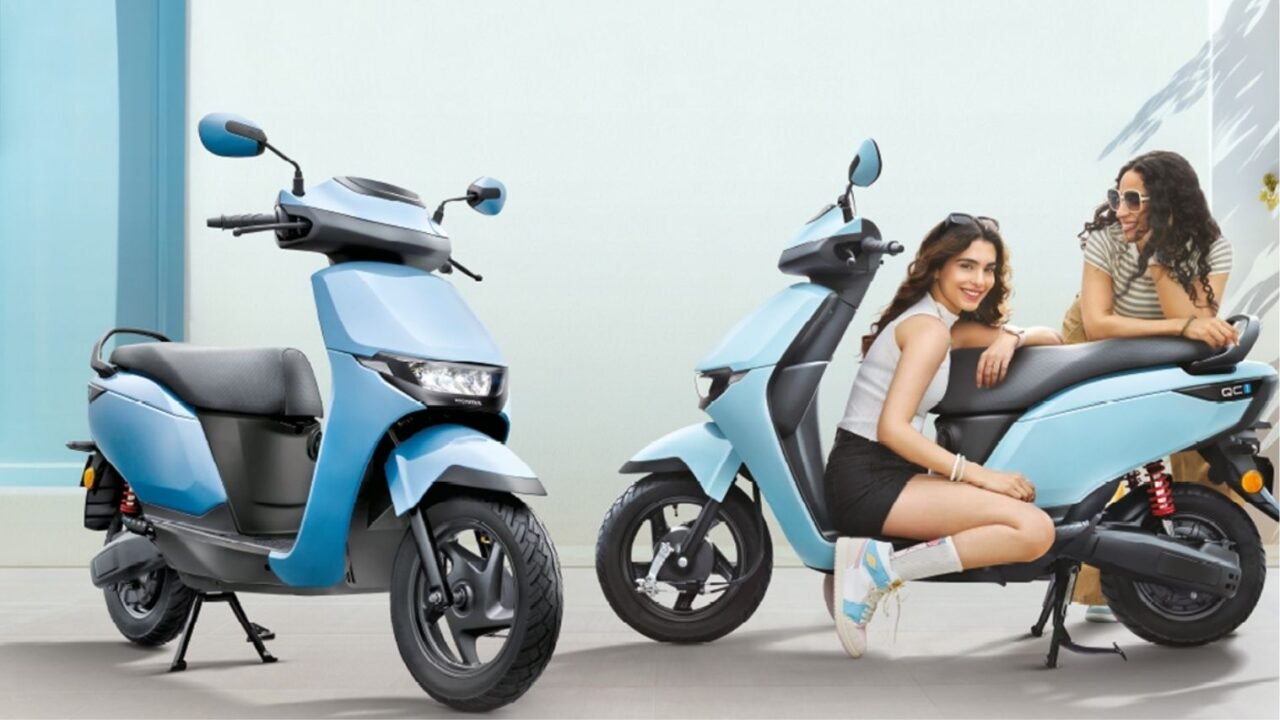
The Japanese manufacturers, meanwhile, have taken a much more cautious approach. Honda entered the market with the Activa e: and QC1, but neither has managed to match the volumes of the leading electric scooters. Suzuki has the e-Access, while Yamaha has taken a slightly different route by investing in Bengaluru-based River Mobility and subsequently launching the EC-06, alongside the more premium Aerox EV.
And this is where the timing becomes important. Indian manufacturers and EV startups entered the segment earlier, giving them time to build products, understand battery technology, establish charging and service networks and create a customer base. By the time the Japanese companies started committing more seriously, the market was no longer waiting for them.
There is also a very Indian angle to this story. Electric scooters are extremely sensitive to pricing, localisation and running costs. Battery cells still rely heavily on imports, while rare-earth supply constraints can affect motor costs. Japanese manufacturers, which traditionally have enormous strengths in conventional petrol-powered two-wheelers, appear to have taken a more measured approach rather than rushing into a segment where economics are still evolving.
That strategy may have made sense a few years ago. Today, though, the market is moving on without them. The electric two-wheeler segment grew 67% year-on-year in August, and the industry has already crossed 13.6 lakh registrations in the first eight months of 2026. With the festive season still ahead, annual sales could approach the two-million mark.