This piece shatters all the myths regarding a two-wheeler loan and whether you should apply for one or not while purchasing a new vehicle
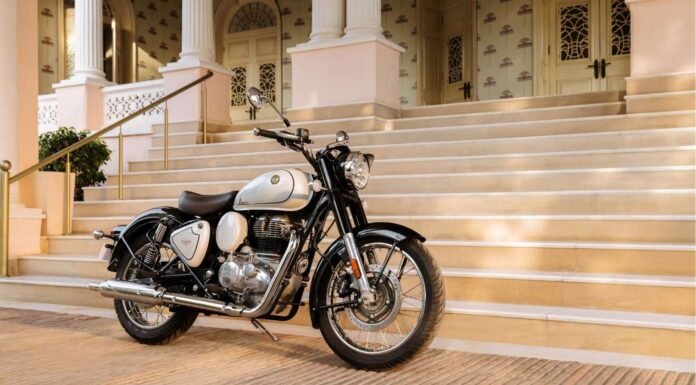
The Royal Enfield Classic 350 is bought as much for its character as for its transport value. Its 349cc J-platform engine, upright ergonomics and heritage-led design give it a very different appeal from a lightweight commuter. That does not mean the purchase should be emotional from start to finish. The current Royal Enfield Classic 350 range spans multiple variants and ABS configurations, and the on-road cost can vary enough to change the financing decision. The right approach is to choose the motorcycle and variant first, then decide whether a two-wheeler loan makes the purchase easier to manage.
What makes the Classic 350 distinctive?
The current Classic 350 uses a 349cc air-oil-cooled single-cylinder engine producing 20.2 bhp at 6,100 rpm and 27 Nm at 4,000 rpm. A 5-speed gearbox and assist-and-slip clutch support its relaxed riding character.
The 195 kg kerb weight gives the motorcycle a planted feel once moving, but it also means parking and tight low-speed manoeuvres require more effort than on a lighter commuter. The 805 mm seat height is manageable for many riders, while the 13-litre fuel tank suits city use and occasional longer rides. The engine is not designed around aggressive acceleration. Its strength is the way torque arrives relatively low in the rev range, which supports steady progress in traffic and relaxed cruising.

Which Classic 350 variant should you consider?
Royal Enfield’s current variant structure is newer than the older Redditch, Halcyon, Signals, Dark and Chrome hierarchy many buyers may remember. The current official range is organised around Heritage, Heritage Premium, Signals, Dark and Chrome, with colour choices such as Madras Red, Jodhpur Blue, Medallion Bronze, Commando Sand, Gun Grey, Stealth Black and Emerald.
The important difference is not only paint. Higher variants add equipment such as Tripper navigation, adjustable levers, LED trafficators, alloy wheels or tubeless tyres depending on the chosen version. ABS also needs to be checked by exact configuration. Current official price listings show some lower configurations with single-channel ABS, while many higher colours and variants use dual-channel ABS. Do not assume every Classic 350 has the same braking setup simply because the specification page highlights dual-channel ABS.
Does the Classic 350 work well for commuting?
Yes, if you are comfortable with its weight. The upright handlebar, broad seat and neutral footpeg position make the Classic easy to settle into for daily riding. The assist-and-slip clutch can also reduce effort during repeated gear changes in traffic.

The compromise appears when speeds fall. At 195 kg, the bike needs more physical input while reversing into a parking space, making a tight U-turn or stopping on an uneven surface. Riders moving from a 100cc or 125cc commuter should test these situations deliberately before buying. For a moderate commute with some weekend riding, the Classic 350 can be a good fit. For dense city use where minimum weight matters most, a lighter motorcycle may be more convenient.
Is the Classic 350 suitable for longer rides?
The 13-litre tank, upright posture and low-rev torque make the Classic 350 comfortable for relaxed highway journeys. It is better suited to steady cruising than sustained high-speed travel. Riders who regularly tour at faster highway speeds may find Royal Enfield’s 450cc or 650cc models more suitable because they provide greater performance reserve. The Classic’s strength is that it can handle a weekday commute and still feel enjoyable on a weekend ride without becoming overly specialised.
What should you budget beyond the motorcycle price?
The purchase cost is only one part of ownership. Insurance, registration, fuel, servicing, tyres, riding gear and accessories all affect the real budget. Alloy-wheel versions with tubeless tyres may also offer more convenient puncture management than spoke-wheel configurations.

Accessories can be tempting on a design-led motorcycle, but they should solve a real need. A touring seat, engine guard or luggage setup may add practical value, while purely cosmetic additions can increase the purchase price without changing how the bike works for you.
How can you buy the Classic 350 with a two-wheeler loan?
Once you have chosen a variant that fits your riding and budget, a two-wheeler loan can spread the on-road cost across monthly instalments instead of requiring the full amount upfront. Subject to eligibility and applicable terms, loan amounts can range from Rs. 35,000 to Rs. 21 lakh, repayment tenures can run from 6 to 84 months, and financing may cover up to 100%* of the two-wheeler’s on-road price.
A worked example makes the impact easier to understand. Suppose the on-road price of your chosen Classic 350 is about Rs. 2.68 lakh. If you pay Rs. 50,000 upfront and finance Rs. 2.18 lakh for 48 months at an illustrative interest rate of 14% p.a., the EMI works out to about Rs. 5,957 per month. This is only an illustration. Your actual on-road price, rate, loan amount and EMI will depend on the variant, city, eligibility and lender terms.

A longer tenure can reduce the monthly EMI but may increase total interest. Compare the repayment with fuel, insurance, servicing and other household commitments rather than judging affordability from the EMI alone. If you are buying during Navaratri or Diwali, Bajaj Mall currently lists Classic 350 variants and festive purchase pages. Compare any applicable benefit on the exact colour and ABS configuration you already want rather than allowing an offer to push you towards a costlier version.
Should you buy the Royal Enfield Classic 350 with a two-wheeler loan?
The Classic 350 makes sense for riders who value heritage styling, relaxed performance and a substantial road presence enough to accept its 195 kg weight. A two-wheeler loan can be useful if the bike already fits your budget and you prefer to spread the on-road cost rather than use a large amount of cash at once. The financing should follow the product decision, not create it.

Choose the correct variant first, confirm whether its ABS setup and equipment match your needs, and then structure the loan so the monthly commitment remains comfortable throughout ownership.
*Terms and conditions apply