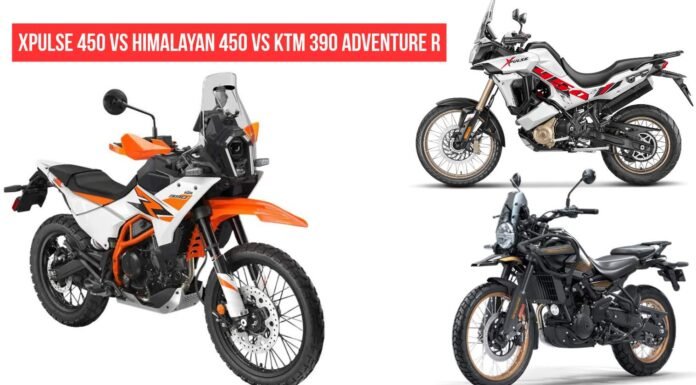
Hero’s upcoming Xpulse 450 takes on two established adventure motorcycles already on sale in India
The middleweight adventure motorcycle segment is getting more interesting. Hero MotoCorp has finally taken the wraps off the Xpulse 450 at EICMA 2026, giving the company a much more serious contender in a category currently represented by motorcycles such as the Royal Enfield Himalayan 450 and the KTM Adventure 390 R.
One thing to keep in mind: the Xpulse 450 is still a prototype. Hero has revealed its engine and some key hardware, but a complete production specification sheet, Indian launch date and price are yet to be announced.
Engine and performance
Specification | Hero Xpulse 450 | Royal Enfield Himalayan 450 | KTM 390 Adventure R |
Engine | 421 cc, single-cylinder | 451 cc, single-cylinder | 398 cc, single-cylinder |
Cooling | Liquid-cooled | Liquid-cooled | Liquid-cooled |
Maximum power | 47 PS | 40 PS | 46 PS |
Peak torque | 38 Nm | 40 Nm | 39 Nm |
Gearbox | 6-speed | 6-speed | 6-speed |
Clutch | Assist and slipper | Assist and slipper | Assist and slipper |
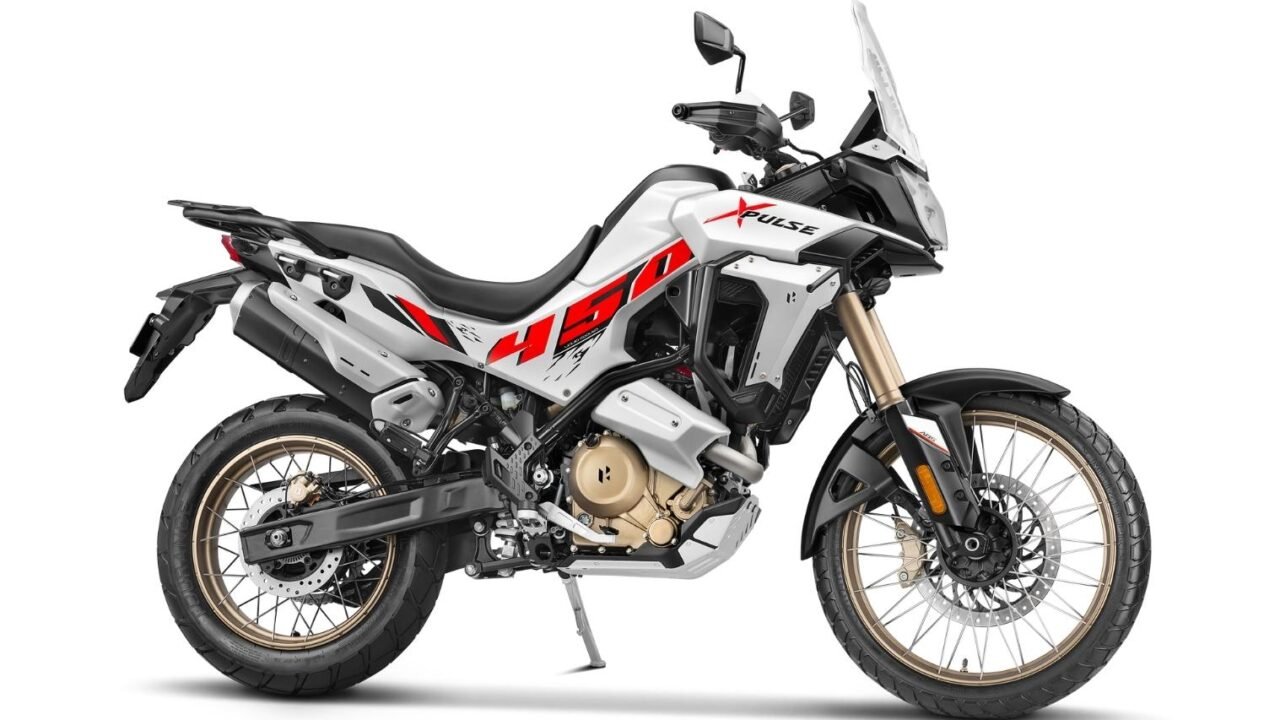
The Xpulse 450 has the highest claimed power output, although the difference over the KTM is marginal. Its new 421 cc engine produces 47 PS at 9,100rpm and 38 Nm at 7,500rpm. Hero says the motorcycle has been developed with inputs from its MotoSports rally programme.

The Himalayan’s 451 cc engine produces less power but delivers the highest torque of the three. More importantly, its peak torque arrives at 5,500 rpm, giving it a relatively accessible character for touring and slower technical sections.
KTM’s 398.7 cc engine produces 46 PS and 39 Nm. It has a more performance-oriented character, with its peak torque arriving at 6,500 rpm. The Quickshifter+ is also part of the R’s equipment.
Suspension, wheels and off-road hardware
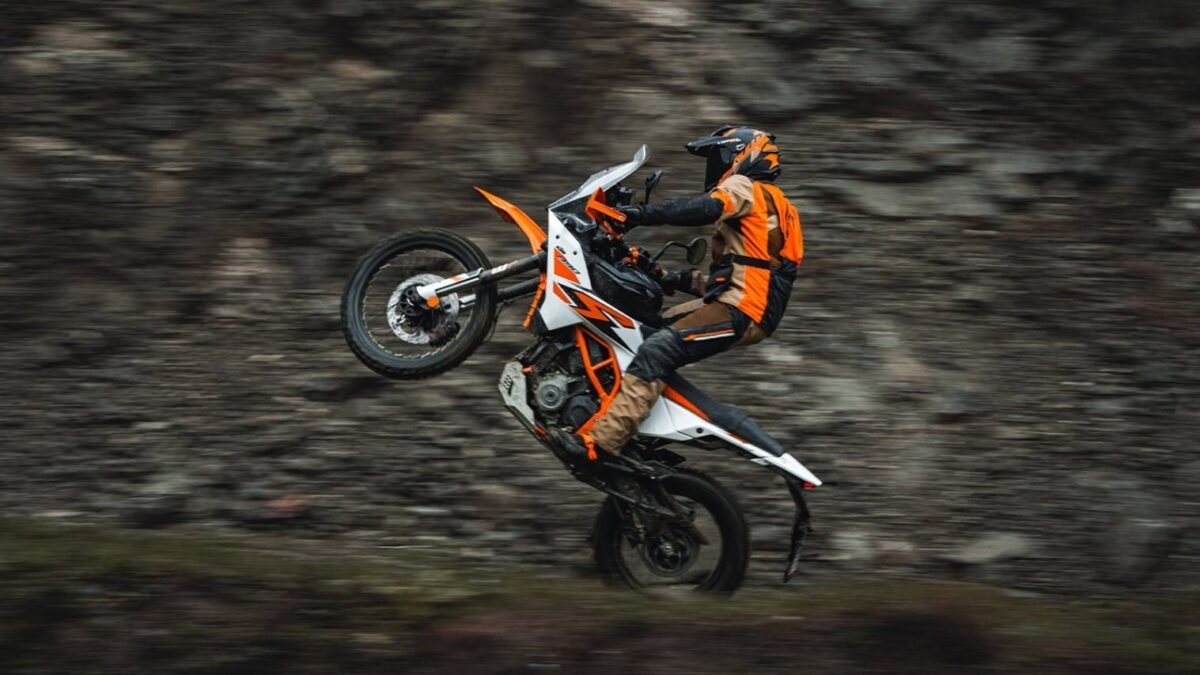
This is where the KTM 390 Adventure R starts to justify its positioning. It gets 230 mm of suspension travel at both ends, a 21-inch front wheel and an 18-inch rear wheel. Ground clearance stands at 272 mm, considerably more than the Himalayan’s 230 mm.
The Xpulse 450 also looks promising on paper. Its 43 mm KYB upside-down front fork offers 225 mm of travel, with 22-step adjustment for compression and rebound. Hero has confirmed a 21-inch front and 17-inch rear wheel combination, along with 230 mm of ground clearance. However, the rear suspension specifications are still awaited.
The Himalayan 450 takes a more conventional approach, with 200 mm of travel at both ends, a 21-inch front wheel and a 17-inch rear. Its setup is well suited to a mix of touring, broken roads and moderate off-road riding.

Specification | Hero Xpulse 450 | Himalayan 450 | KTM 390 Adventure R |
Front suspension | 43 mm KYB USD | 43 mm USD | WP Apex USD |
Front travel | 225 mm | 200 mm | 230 mm |
Rear travel | Not confirmed | 200 mm | 230 mm |
Front wheel | 21-inch | 21-inch | 21-inch |
Rear wheel | 17-inch | 17-inch | 18-inch |
Ground clearance | 230 mm | 230 mm | 272 mm |
Seat height | 848 mm (shown prototype) | 825 mm, adjustable | 880 mm |
The KTM’s 880 mm seat height is worth considering, particularly for shorter riders. The Xpulse prototype has also been shown with a tall 848 mm seat, while the Himalayan’s adjustable seat gives it an advantage in accessibility.
Weight and touring practicality
The Himalayan 450 has a kerb weight of 196 kg and a 17-litre fuel tank. It is the heaviest of the three based on the confirmed figures available, but its larger tank and relatively accessible seat height make it a practical long-distance motorcycle.
The KTM 390 Adventure R weighs 183kg and gets a 14.5-litre fuel tank. That lower weight should help when negotiating technical trails, although its tall seat will demand some confidence from the rider.
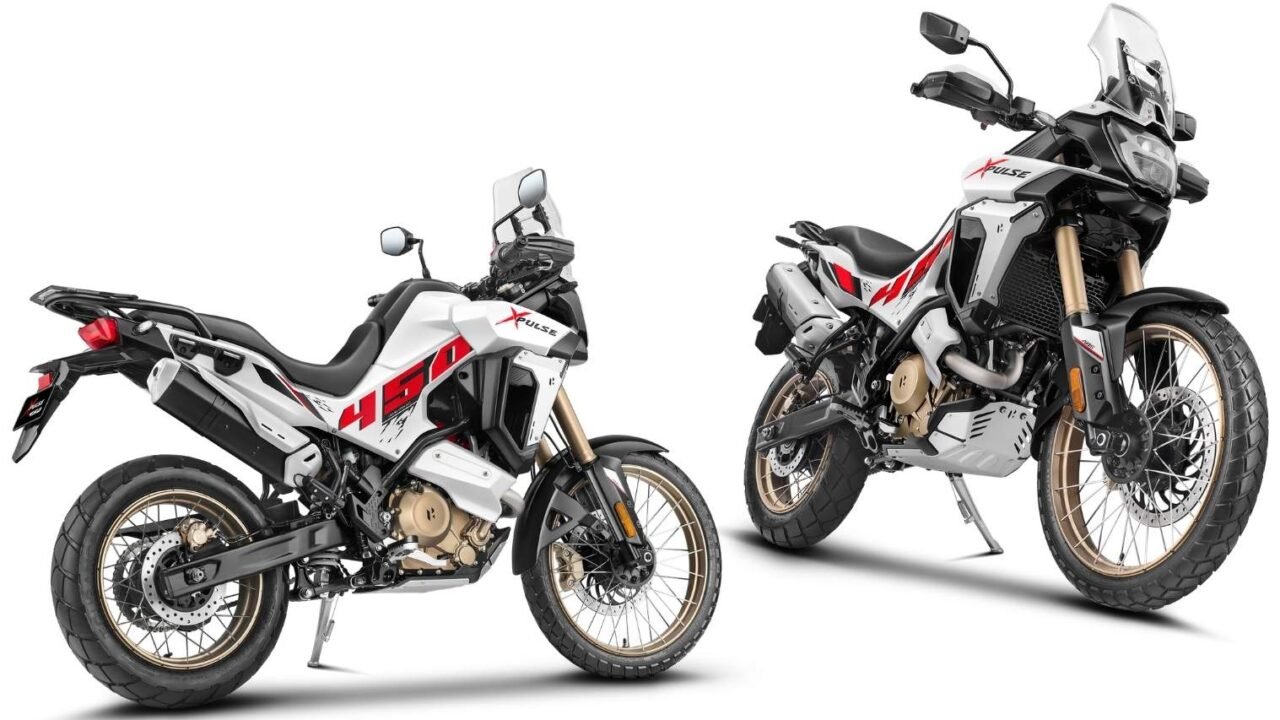
Hero has not announced the Xpulse 450’s final kerb weight or fuel tank capacity. These are two figures that could make a significant difference to its positioning. Its 21/17-inch wheel combination and long-travel front suspension suggest a clear off-road focus, but we will have to wait for the production version to judge its touring credentials.
Features and electronics
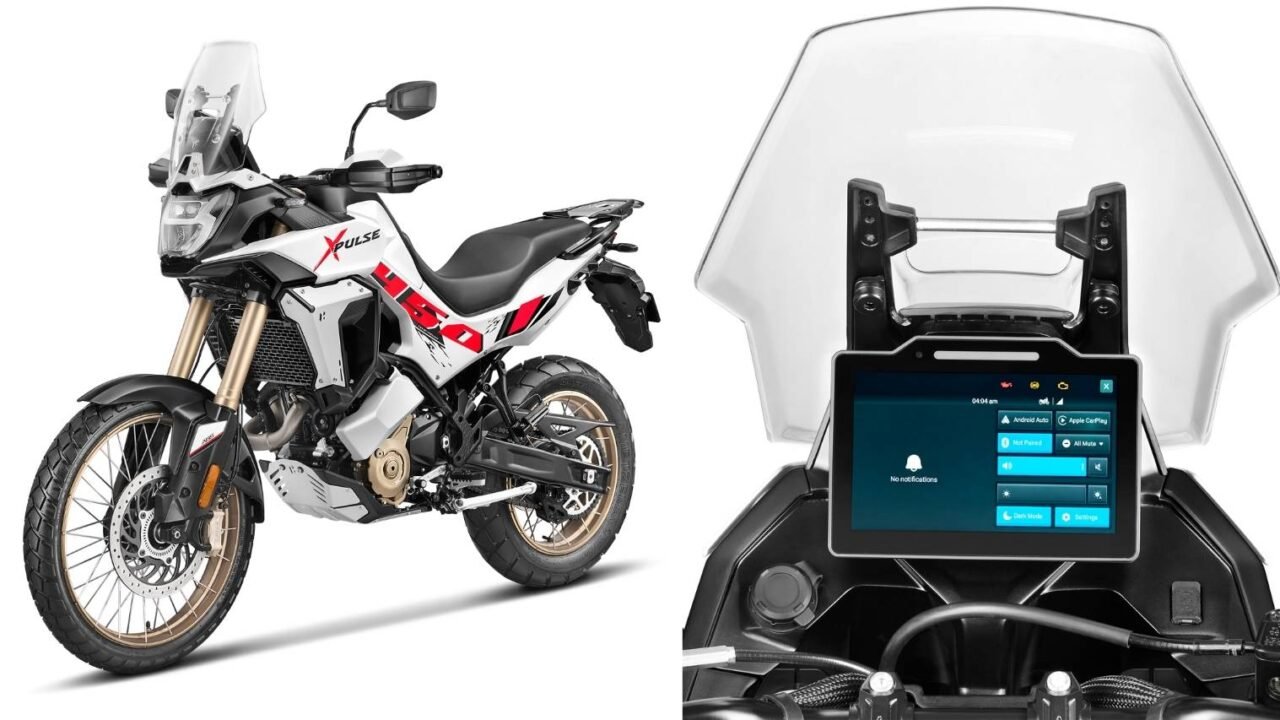
Hero has one particularly interesting feature up its sleeve. The Xpulse 450 gets a TFT display with integrated Android Auto and Apple CarPlay, which the company describes as a segment-first offering. The full electronics package, however, has not been disclosed yet.
The Himalayan 450 gets a 4-inch round TFT display with smartphone connectivity, Google Maps-based navigation, media controls, ride modes and switchable dual-channel ABS. It is not overloaded with electronic rider aids, but covers the essentials for adventure touring.
The KTM has the most extensive off-road electronics package of the three. The 390 Adventure R gets a 5-inch TFT display, riding modes, traction control, cornering ABS, switchable ABS and Off-road ABS. Quickshifter+ is also standard.
Which one looks more promising?
The KTM 390 Adventure R is the most off-road-focused motorcycle here, at least on paper. Its 230 mm suspension travel, 272 mm ground clearance, 21/18-inch wheel combination and lower kerb weight make it the obvious choice for riders who intend to spend a significant amount of time on trails.

The Himalayan 450 is the more approachable all-rounder. Its engine has a strong torque spread, the 17-litre tank is useful for touring, and the adjustable seat makes it easier to live with. It may not have the KTM’s extreme off-road hardware, but it is a well-rounded package.
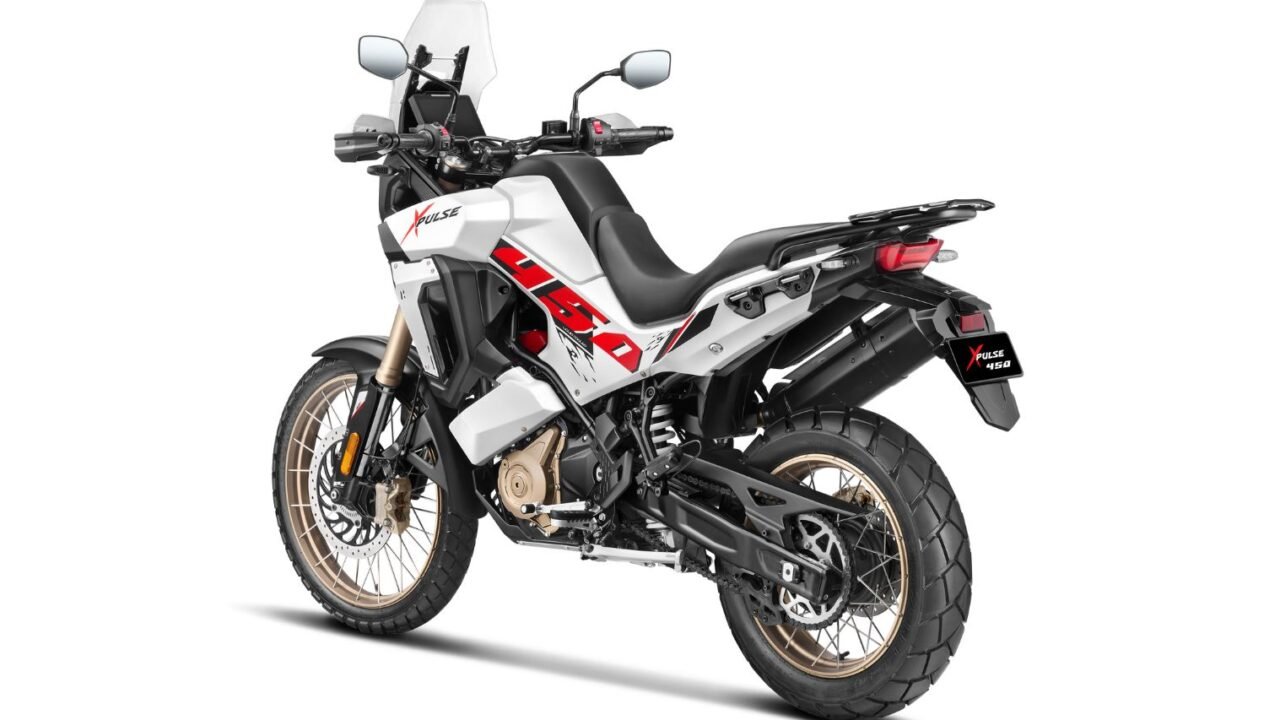
The Xpulse 450 is the one that could shake things up. Its engine output is competitive, the front suspension looks promising and its 21/17-inch wheel combination should give it genuine off-road ability. But the final weight, rear suspension, fuel capacity and pricing will determine how it stacks up against these established rivals.