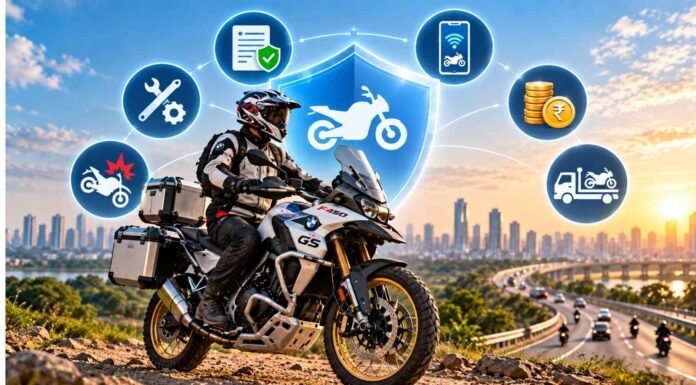
The bike protection needs are evolving rapidly these days due to the rising repair costs, increasing EV adoption, and digital-first insurance experiences
India’s two-wheeler ecosystem is being reshaped by changing bike protection needs. Rising repair costs, the growing popularity of premium motorcycles, increasing electric vehicle adoption, and digital-first insurance experiences are encouraging riders to take a more active approach to protection planning. As riders pay closer attention to coverage, claims support, and add-on benefits, their expectations from insurance are evolving beyond basic regulatory requirements.
These changing expectations are also influencing how insurers design and deliver products. Personalised coverage options, usage-based plans, digital claims processes, and EV-focused solutions are becoming more common as insurers adapt to new rider needs. Together, these shifts are changing how protection is purchased, managed, and valued across India’s two-wheeler ecosystem.
Why Protection is Becoming an Integral Part of Modern Two-Wheeler Ownership?
Until recently, most riders viewed insurance primarily as a mandatory requirement. Rising ownership costs, expensive repairs, and changing vehicle technology are now making protection an active part of ownership decisions. Three major developments are accelerating this shift across India’s two-wheeler market.
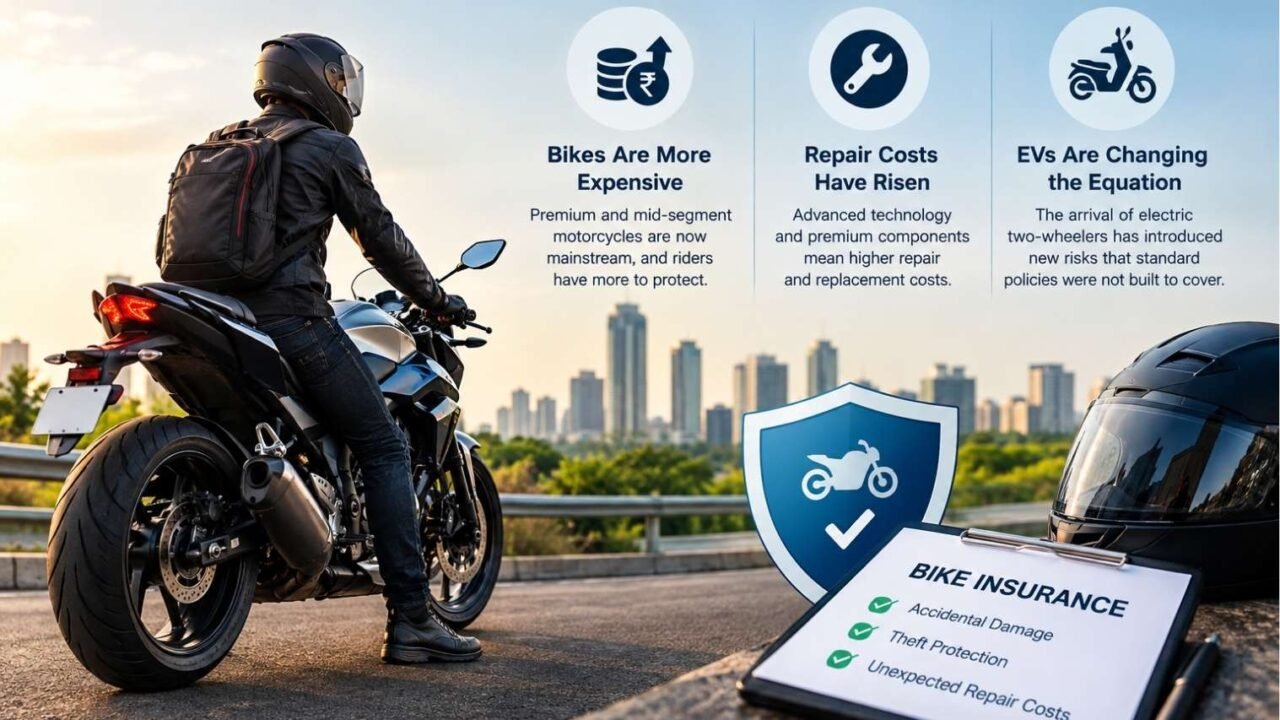
• Bikes are more expensive- premium and mid-segment motorcycles are now mainstream, and riders have more to protect.
• Repair costs have risen sharply.
• The arrival of electric two-wheelers has introduced new risks that standard policies were not built to cover.
As ownership costs increase and vehicle technology becomes more advanced, riders are paying closer attention to how their bike insurance policy supports them beyond regulatory compliance. Features such as protection against accidental damage, theft-related losses, and unexpected repair expenses are becoming important considerations when evaluating overall ownership costs, subject to policy terms and coverage conditions.
How Rising Repair and Replacement Costs Are Changing Rider Priorities
Modern two-wheelers increasingly incorporate advanced electronics, ABS units, fuel-injection systems, sensors, and premium body panels. As these components become more sophisticated, repair and replacement expenses have also increased, making protection planning more relevant for owners.
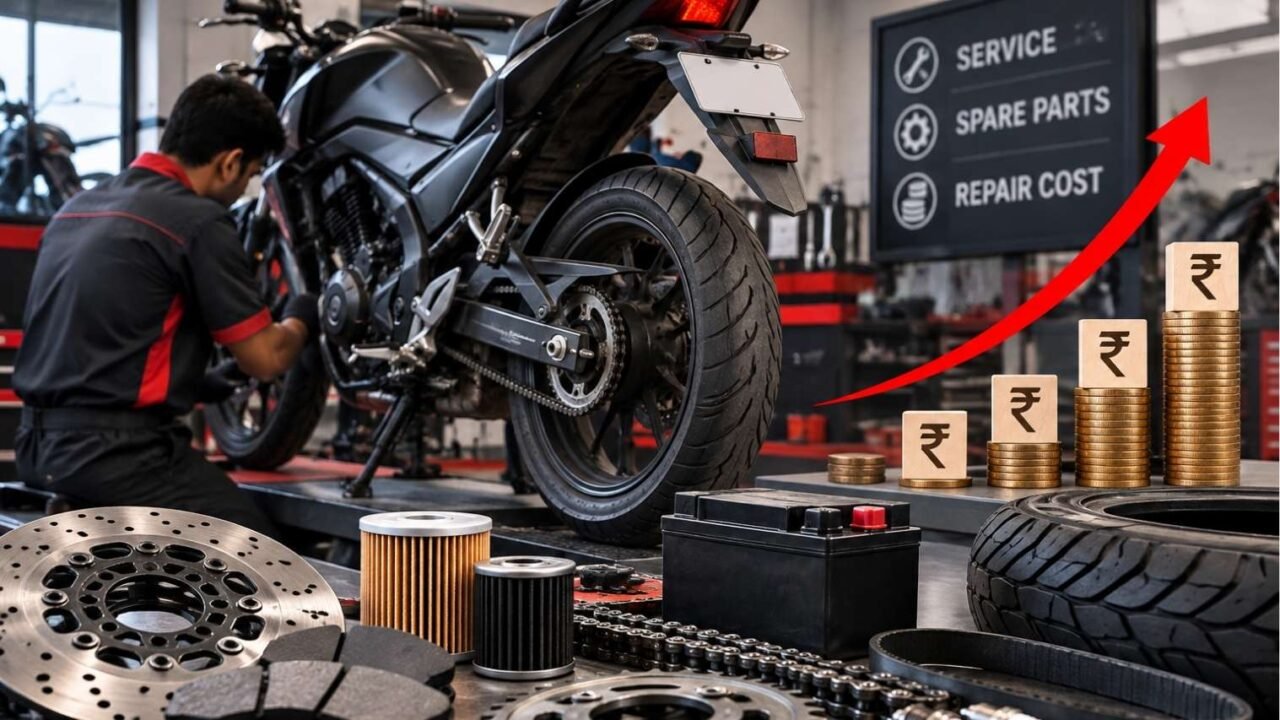
As repair bills continue to rise, riders are placing greater importance on protection features that help reduce unexpected out-of-pocket expenses after an accident. This is one reason why many owners are moving beyond basic statutory coverage and considering comprehensive bike insurance, which can help provide financial protection against accidental damage, theft, natural calamities, and other covered risks, subject to policy terms.
Why the Growth of Premium Motorcycles is Creating New Protection Expectations
The rise of premium motorcycles has created a new category of riders who view protection as part of ownership planning. Higher-value vehicles typically involve greater repair, replacement, and theft exposure, encouraging owners to look beyond basic statutory coverage.
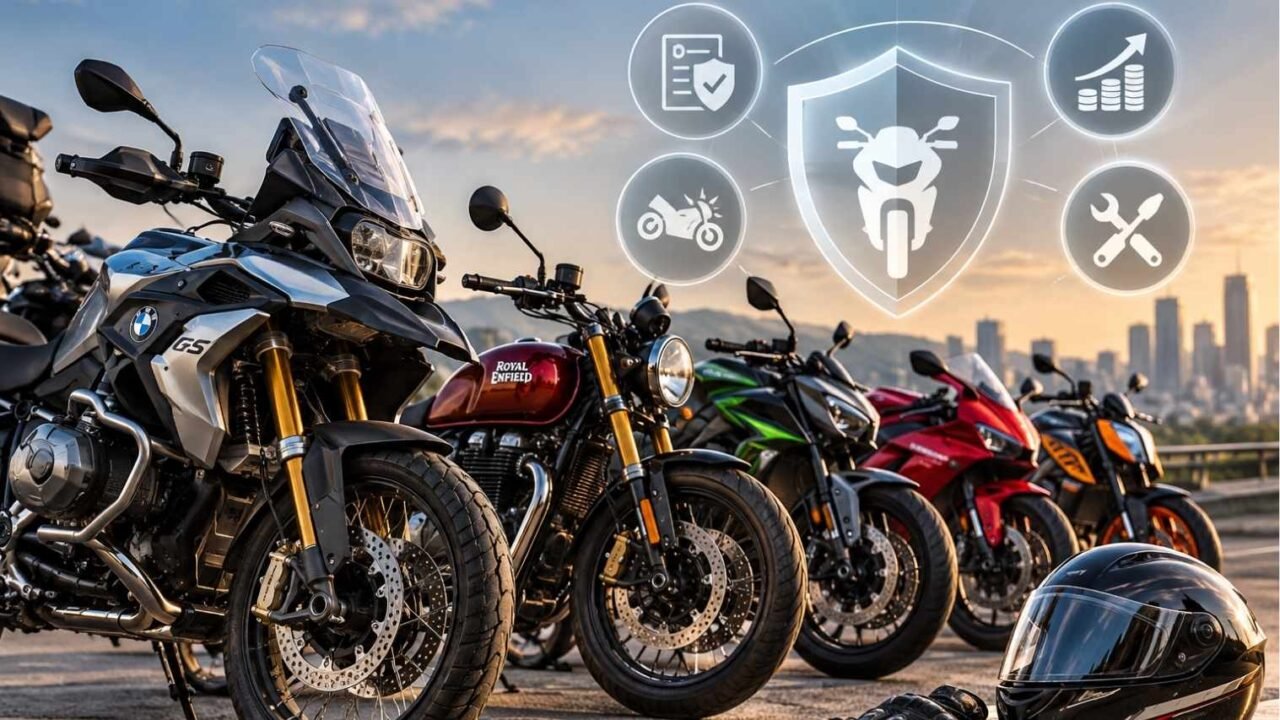
Beyond repair expenses, premium motorcycle owners increasingly expect specialised protection for theft, accidental damage, expensive components, and long-term value preservation. This reflects a broader shift toward treating insurance as part of the ownership experience rather than a regulatory obligation.
How Digital-First Ownership is Transforming the Way Riders Manage Risk
More than 60% of riders now purchase bike insurance online, reflecting how digital platforms have transformed the way consumers research protection options, compare coverage features, and manage policies throughout the ownership cycle.
Technology is changing what happens after purchase too. Damage inspection via phone, video-based claim filing, and instant policy documents are no longer features- they are becoming standard. Damage assessment, claim initiation, and policy servicing can increasingly be handled remotely through digital platforms.
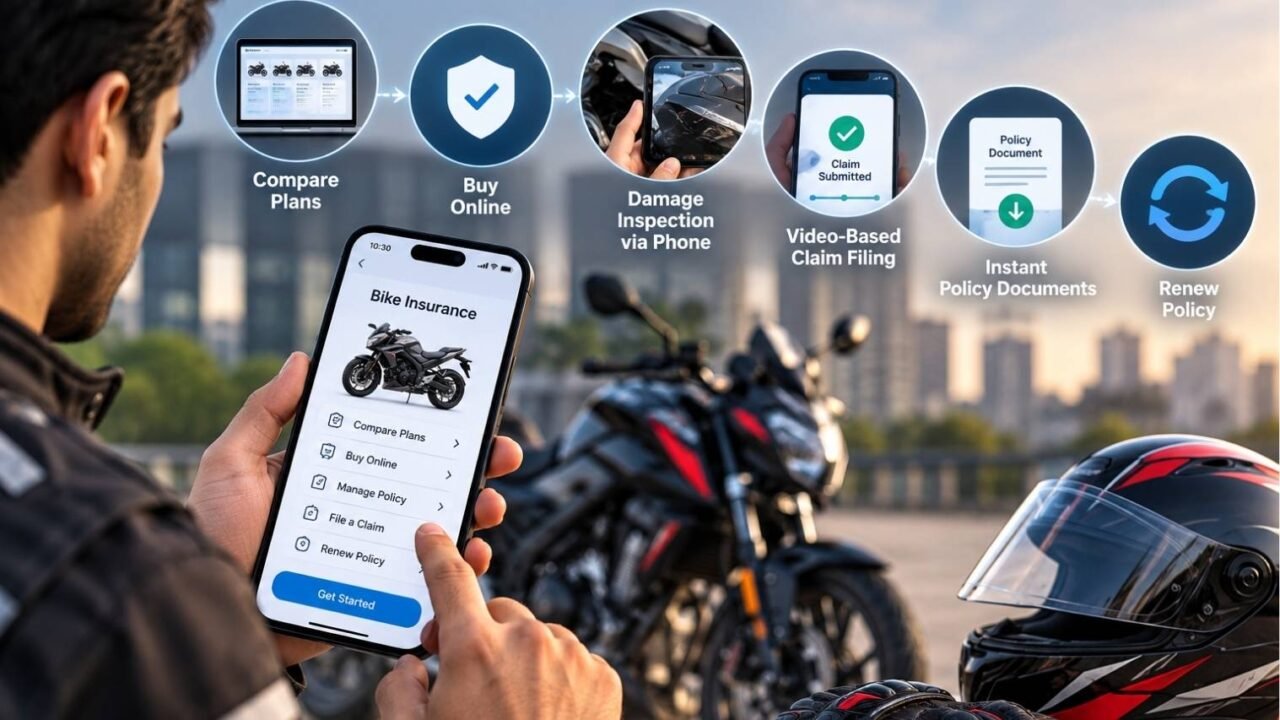
For a bike insurance buyer today, the entire ownership experience starting from comparing plans to renewing the policy to raising a claim, can happen without stepping into a branch or speaking to an agent.
What the Rise of Connected and Electric Two-Wheelers Means for Protection Planning
According to Policybazaar, EV two-wheelers were the fastest-growing segment in motor insurance during FY26, with premiums increasing by 200% and new EV insurance purchases growing 2.5 times year on year.
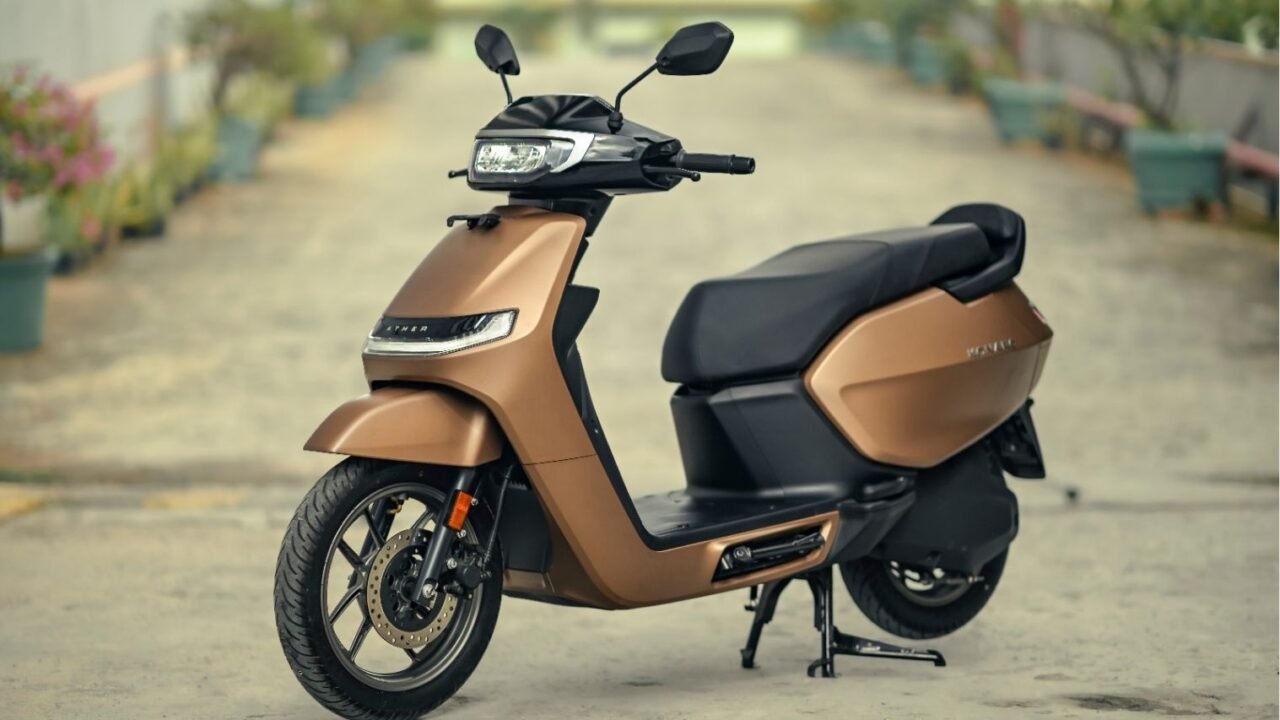
Behind those numbers is a simple problem- most standard policies were not designed with electric vehicles in mind. The battery alone is often worth 40 to 50% of what the bike costs. If it gets damaged and the policy does not cover it, the rider absorbs that cost entirely.
EV-specific risks and coverage considerations:
| Risk | Standard Policy | EV-Specific Add-on Needed |
| Battery damage | Not covered | Yes |
| Charger theft | Not covered | Yes |
| Short circuit | May be excluded | Yes |
| Software malfunction | Not covered | Check policy terms |
| Roadside charging failure | Not covered | Roadside assistance add-on |
Riders switching to EVs should review their policy terms carefully and confirm whether EV-specific risks are covered, subject to policy terms.
How Personalised Protection Solutions Are Emerging Across Different Rider Segments
Usage-based insurance, including Pay As You Drive and Pay How You Drive, has become mainstream. These policies use telematics to track riding behaviour and adjust premiums accordingly.

One of the biggest shifts in the market is the move away from one-size-fits-all protection. Insurers are increasingly designing solutions around how riders actually use their vehicles, whether for daily commuting, commercial deliveries, long-distance touring, premium ownership, or electric mobility. As a result, coverage recommendations, add-on preferences, and pricing models are becoming more closely aligned with real-world usage rather than treating all riders the same.
Why Add-On Covers Are Becoming Part of Long-Term Ownership Strategies
As ownership costs rise, many riders are selecting add-ons at the time of purchase rather than during renewal. Features such as zero depreciation, roadside assistance, engine protection, and return-to-invoice cover are increasingly viewed as preventive financial tools rather than optional extras.
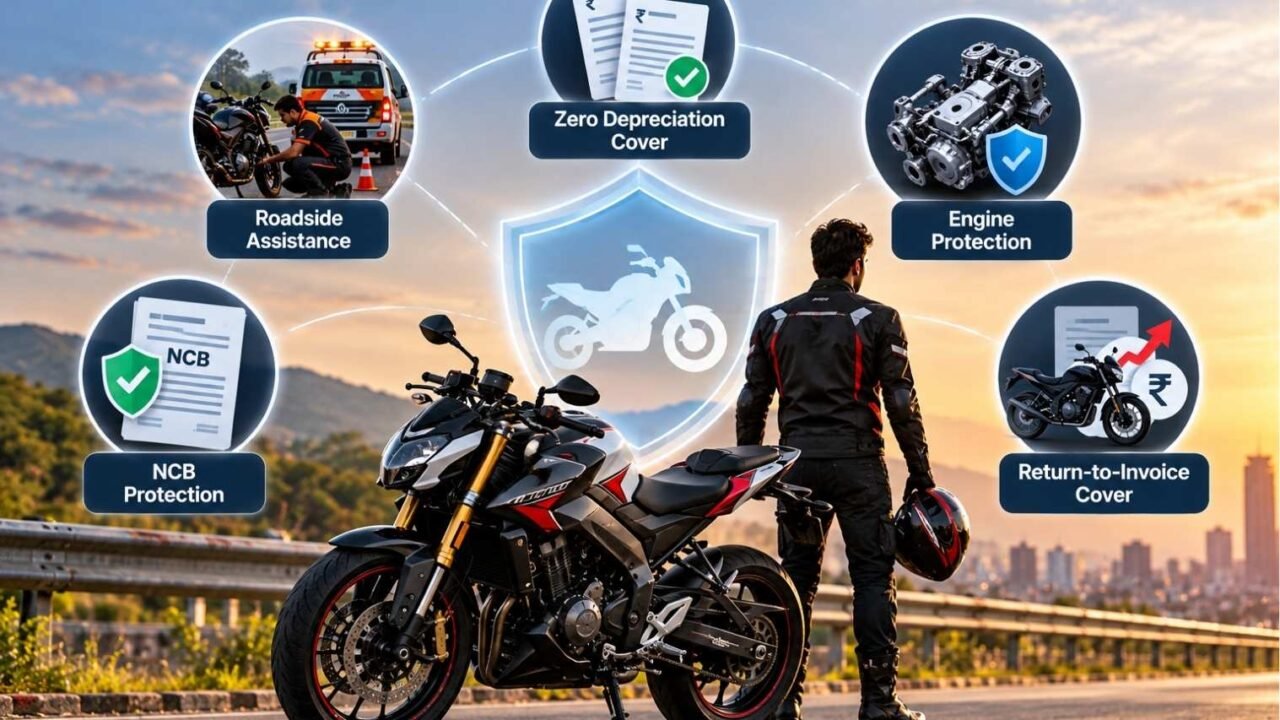
Among the add-ons gaining wider adoption are zero depreciation cover, roadside assistance, engine protection, NCB protection, and return-to-invoice cover. Their growing popularity reflects a broader shift in rider behaviour, where insurance is increasingly being used to manage financial risks associated with modern two-wheeler ownership.
What These Protection Trends Mean for the Future of India’s Two-Wheeler Ecosystem
The direction is clear. The way riders think about two-wheeler insurance has shifted. Buying a policy to stay legal is no longer the whole story. More riders are asking what the policy actually does for them, and insurers are responding with telematics, usage-linked premiums, and coverage built around how individual riders actually ride. Insurers are offering personalised plans, add-ons, and bundled services to remain competitive.
For riders, this means more options, more transparency, and more responsibility to make active coverage decisions. The rider who reviews their policy annually, matches their add-ons to their actual riding profile, and understands what is and is not covered will be significantly better protected- financially and practically, than one who simply renews the same plan year after year.
What Riders Should Watch Going Forward
Several developments are likely to shape the next phase of India’s two-wheeler protection landscape. EV adoption is expected to accelerate demand for specialised coverage, while telematics-based products could make usage-linked pricing more common. Digital-first claims experiences will become a standard expectation, and insurers will continue developing more personalised covers based on vehicle type, usage patterns, and rider behaviour.
Conclusion
India’s two-wheeler ecosystem is evolving rapidly, driven by premium motorcycles, connected technologies, electric mobility, and digitally empowered consumers. As ownership patterns change, protection is also becoming more personalised and usage-driven. The shift is no longer about meeting a legal requirement. It is about managing financial risk in a market where vehicles, repairs, and rider expectations are changing quickly. Riders who periodically review their coverage and align it with how they actually use their vehicle will be better positioned to navigate this transition confidently.