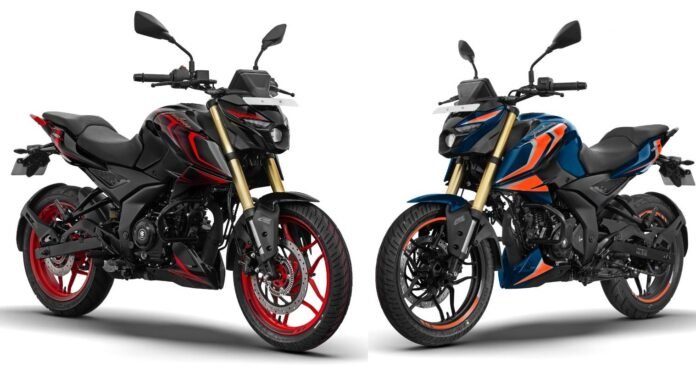
The new Pulsar N160 variants get a 4-valve engine, ride modes and a new tech-loaded top-spec version with a TFT display and Google Maps
Bajaj Auto has expanded the Pulsar N160 range with two new variants, the N160 S and N160 SS. This isn’t just another exercise in adding a new colour or sticker kit to the motorcycle. The new variants bring a more significant update underneath the familiar N160 design. Here are the five things you should know about the new Pulsar N160 duo.
1. New 4-Valve Engine
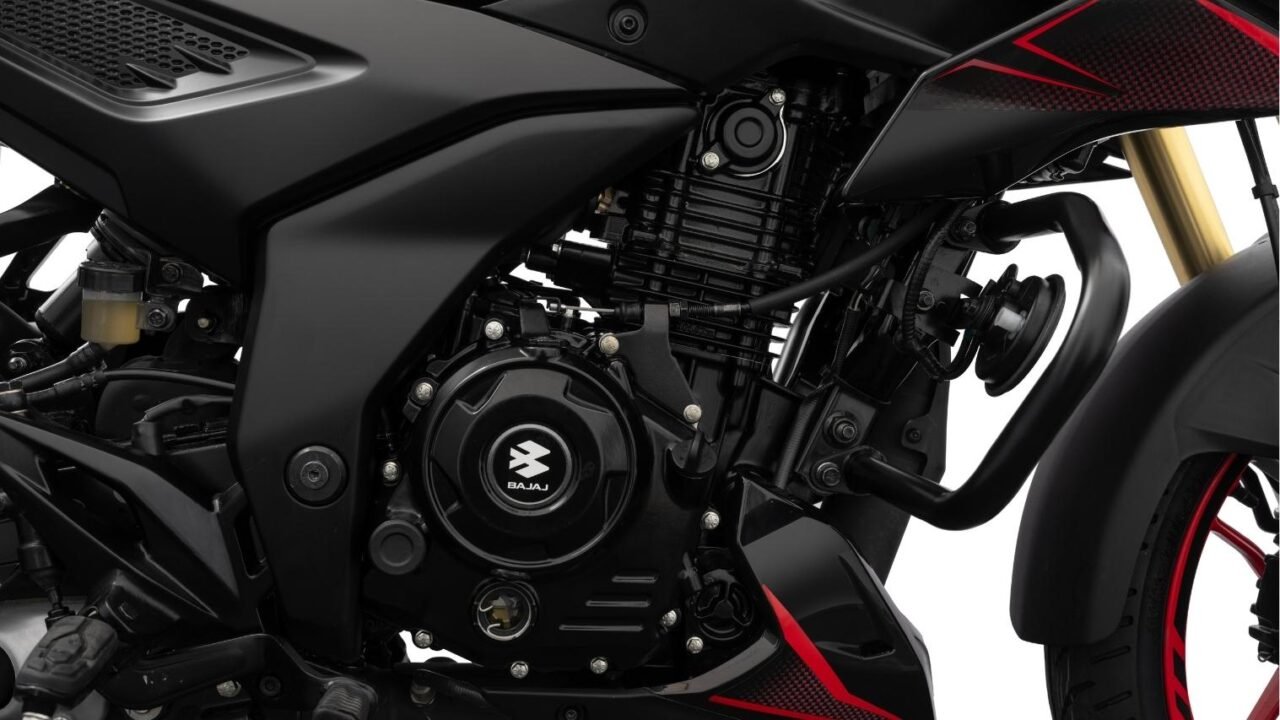
The biggest change is hiding under the fuel tank. The new N160 variants get a 164.5 cc, single-cylinder, 4-valve engine, which produces 18.5 PS at 9,500 rpm and 14.4 Nm at 8,000 rpm. This makes the new engine noticeably more powerful than the existing 2-valve N160 unit. The engine is paired with a 5-speed gearbox, while the new electronic throttle allows Bajaj to introduce several electronic rider aids. The existing N160 uses a 164.82 cc engine producing 16 PS and 14.65 Nm, so the new motor represents a meaningful step up in outright performance.
2. Four Riding Modes
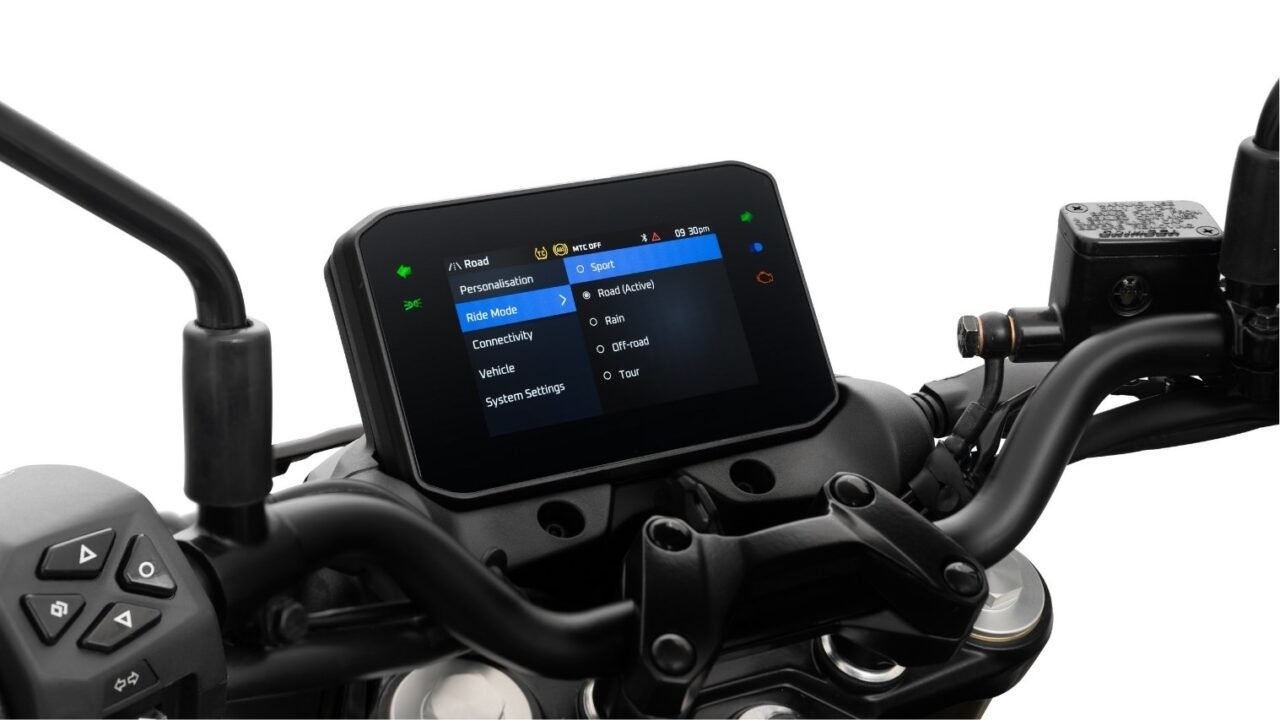
The new Pulsar N160 gets four riding modes, giving riders the ability to alter the motorcycle’s behaviour depending on the conditions. The motorcycle also gets crawl technology, which should make low-speed manoeuvring easier, particularly in traffic. This is an interesting addition to a 160 cc motorcycle and shows just how much electronics have trickled down into this segment. The top-spec N160 SS goes a step further with traction control, adding another layer of electronic assistance.
3. 5-Inch TFT With Google Maps
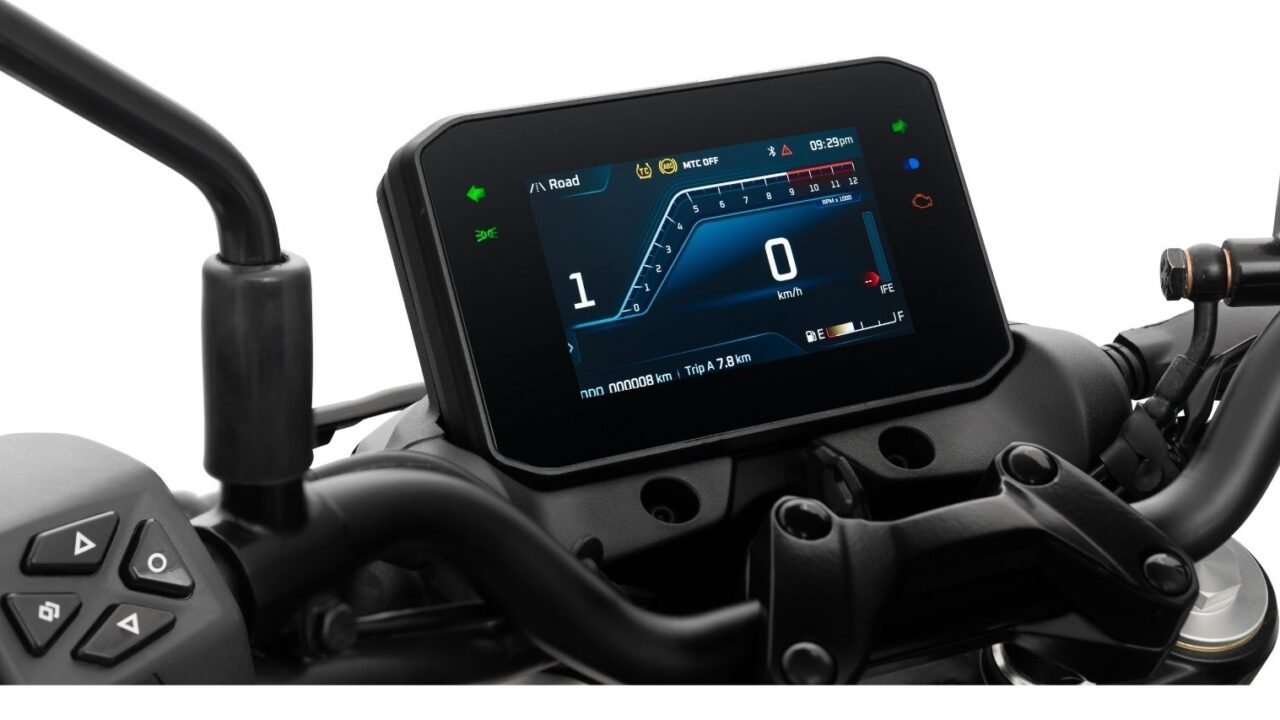
This is probably the feature that will grab most of the attention. The N160 SS gets a 5-inch TFT instrument console, complete with Google Maps integration and smart navigation. The N160 S, meanwhile, gets a simpler LCD console with Bluetooth connectivity and turn-by-turn navigation. So there is a fairly clear distinction between the two variants rather than just a difference in braking hardware or colours. The SS also gets electronic throttle body technology, making it the more technologically advanced version of the two.
4. Different ABS Setups
Bajaj has also used the braking system to differentiate the two variants. The N160 S gets single-channel ABS, while the N160 SS gets dual-channel ABS. That makes the SS the obvious choice if safety equipment is high on your priority list.
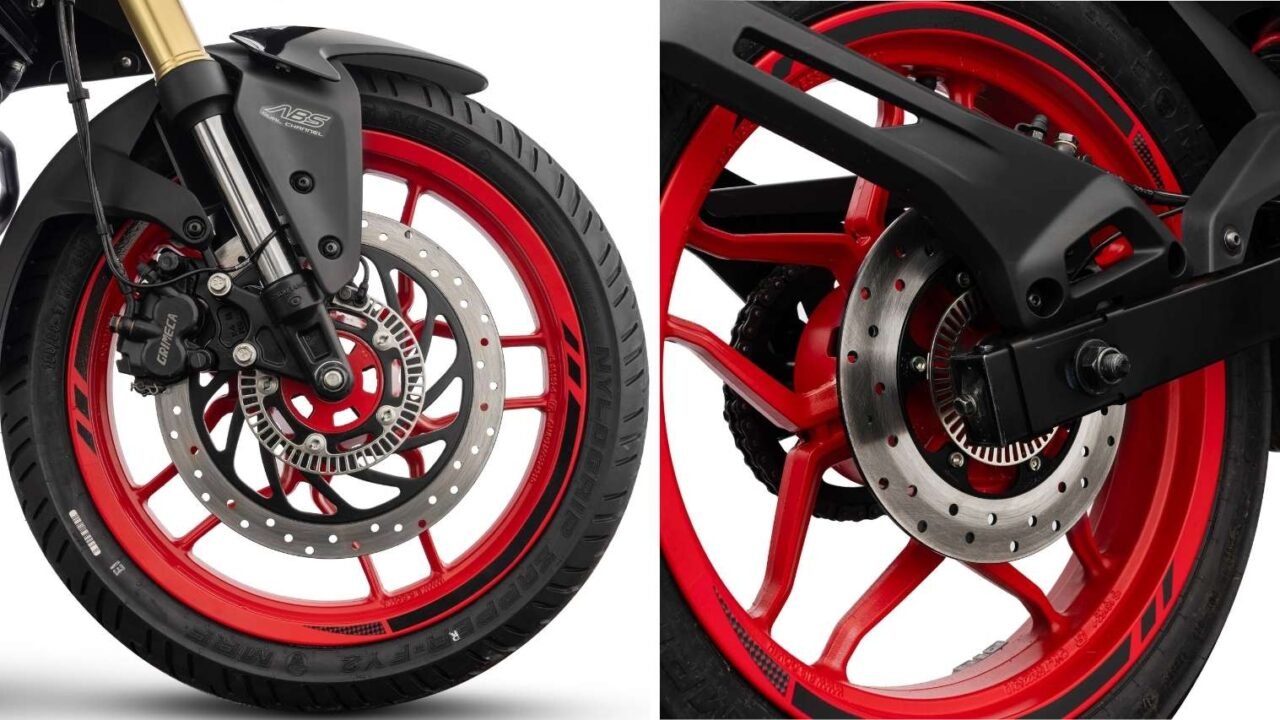
The existing N160 already offers dual-channel ABS on select variants, along with a 300mm front disc and 230mm rear disc. Both motorcycles continue with the familiar Pulsar N160 chassis and sporty naked-bike proportions, although the new variants bring their own set of equipment and hardware changes.
5. The N160 Is Still on Sale
This is perhaps the most interesting thing about the launch. Bajaj isn’t replacing the existing N160 with these new motorcycles. Instead, the new 4-valve N160 S and N160 SS are being added to the portfolio, meaning buyers now have more versions of essentially the same motorcycle to choose from.
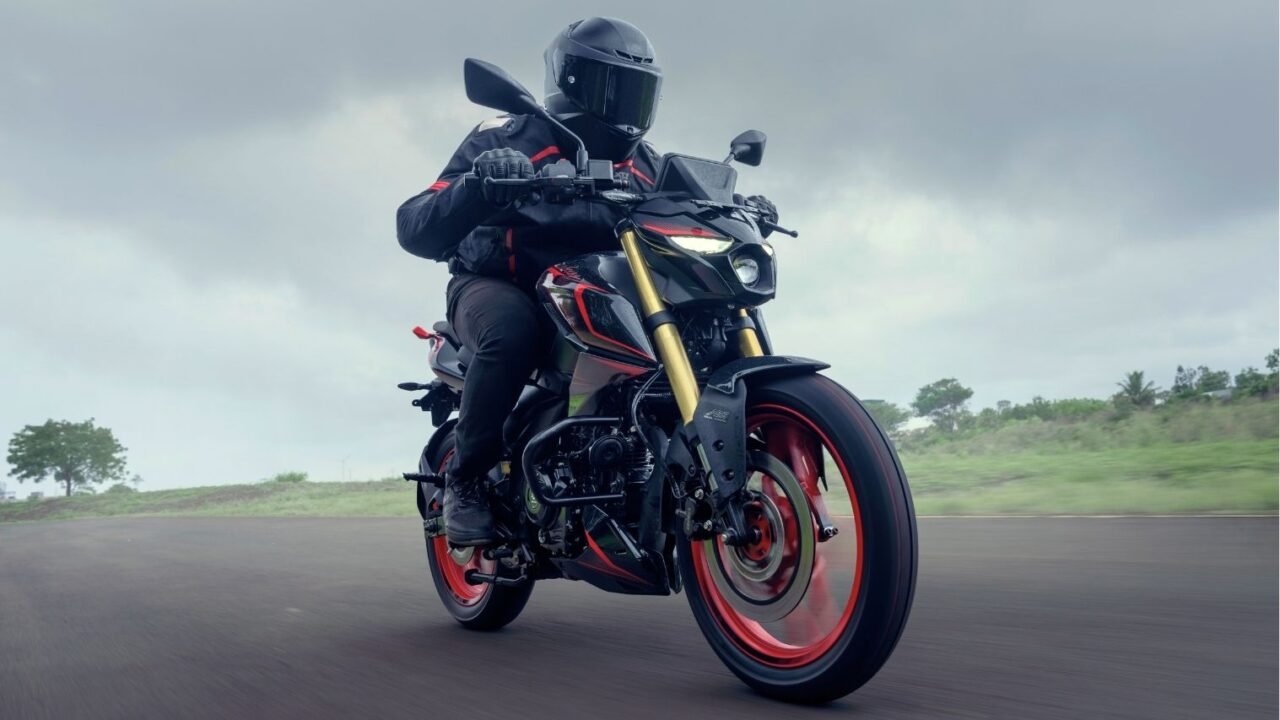
The existing N160 continues with the 164.82 cc 2-valve engine, producing 16 PS and 14.65 Nm, while the new variants bring the more powerful 4-valve motor and additional electronics. That gives Bajaj plenty of room to target different kinds of buyers. Someone looking for a relatively simple 160cc commuter can stick with the existing N160, while buyers wanting more performance and technology can move towards the S or SS.
N160 S vs N160 SS: What’s The Difference?
Feature | Pulsar N160 S | Pulsar N160 SS |
| Price | Rs 1.34 lakh | Rs 1.43 lakh |
| Engine | 164.5cc, 4-valve | 164.5cc, 4-valve |
| Power | 18.5 PS | 18.5 PS |
| Torque | 14.4 Nm | 14.4 Nm |
| Instrument cluster | LCD | 5-inch TFT |
| Navigation | Turn-by-turn | Google Maps |
| ABS | Single-channel | Dual-channel |
| Traction control | No | Yes |
| Electronic throttle | Yes | Yes |
All prices are ex-showroom.