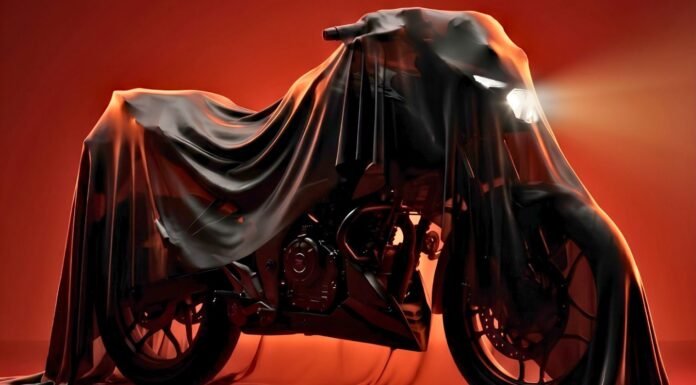
Bajaj Auto is set to introduce the next-generation Pulsar on August 12, with the 125cc or 150cc motorcycle expected to get a major overhaul
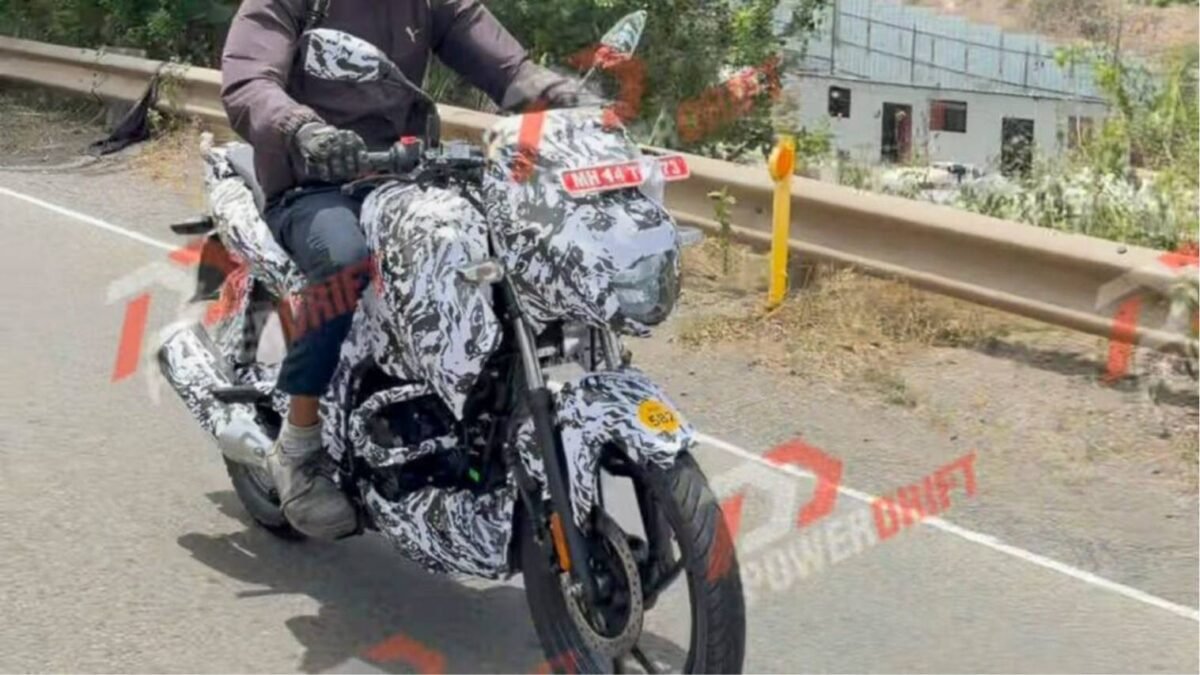
Bajaj Auto is going to launch a new motorcycle on August 12 and all signs point towards the arrival of the next-generation Pulsar. The motorcycle has already been spotted testing, although Bajaj is yet to reveal whether it will be the new Pulsar 125 or Pulsar 150.
The timing is interesting because 2026 marks 25 years of the Pulsar brand. Bajaj had earlier confirmed that it would revamp the Pulsar portfolio during the anniversary year, and the new motorcycle could be the first big step in that direction. The company is expected to eventually update several models, but the entry-level 125cc and 150cc motorcycles are likely to get priority.
From the spy shots seen so far, the upcoming Pulsar appears to have a more substantial stance than the outgoing motorcycle. The overall silhouette is still expected to retain some of the classic Pulsar DNA, but the underpinnings could see a much bigger change. Reports suggest that Bajaj could move the new motorcycle to a more modern chassis setup, potentially bringing a monoshock at the rear instead of the twin-shock arrangement seen on the older Pulsar platform.
The engine displacement is expected to remain familiar. The new Pulsar could continue with a 124cc or 149cc petrol engine, depending on which version Bajaj unveils first. The current Pulsar 125 produces around 11.8 bhp, while the Pulsar 150 makes around 14 PS, but the next-generation models could receive updates to improve refinement, efficiency and emissions compliance. Bajaj is yet to reveal the final specifications, so we will have to wait a little longer for the numbers.
The current Pulsar 125 and 150 are beginning to show their age when compared with newer motorcycles from TVS and Hero. The new models are expected to get LED lighting, a digital instrument console and Bluetooth connectivity, while higher variants could offer additional connected features. Bajaj will need to do this without pushing the price too far north, especially considering how competitive the commuter segment has become.

The new Pulsar is also expected to retain the familiar sporty character that has made the nameplate so popular. Bajaj has a difficult balancing act here. The company cannot make the new motorcycle so radically different that it loses the identity that has worked for 25 years, but it also cannot simply give the old bike a new headlamp and call it a generation change. The spy shots suggest that Bajaj is leaning towards evolution rather than revolution.
If Bajaj gets the price, design and equipment right, the new Pulsar could give the brand exactly what it needs to take on the newer generation of sporty commuters. After all, 25 years is a long time. It is probably time for the old favourite to get a proper makeover.