This piece presents a comprehensive picture of changing things in the motorcycle industry post the roll out of GST 2.0 in Sep 2025
The Indian government rolled out the GST 2.0 in Sep 2025 with major changes in the tax slabs on various commodities, including motorcycles. The uniform GST of 28 percent on all two-wheelers, irrespective of their engine capacity, was abolished in favour of an engine size based taxation system. While the GST was slashed from 28 percent to 18 percent on bikes with engine capacity below 350cc, thus making them cheaper than before, the tax on models with engine capacity above 350cc was increased from 28 percent to 40 percent, which made them more expensive than before.
The Society of Indian Automobile Manufacturers (SIAM) data reveals that, post the implementation of GST 2.0 in India, the sales gap between the smaller motorcycles and bigger models has widened. The bikes with engine capacity below 350cc posted YoY growth of 18.3 percent with retail volumes of 7.83 million units between October 2025-April 2026, as compared to 6.62 million units sold during the same period a year earlier.
On the other, the premium bike segment (>350cc engine) grew by just 1.2 percent as sales jumped from 93,978 units to 95,104 units during the same period. If we talk about April 2026, the 350cc+ segment witnessed a decline in YoY sales by 15.4 percent as volumes went down from 14,148 units in Apr 2025 to 11,963 units in the last month.
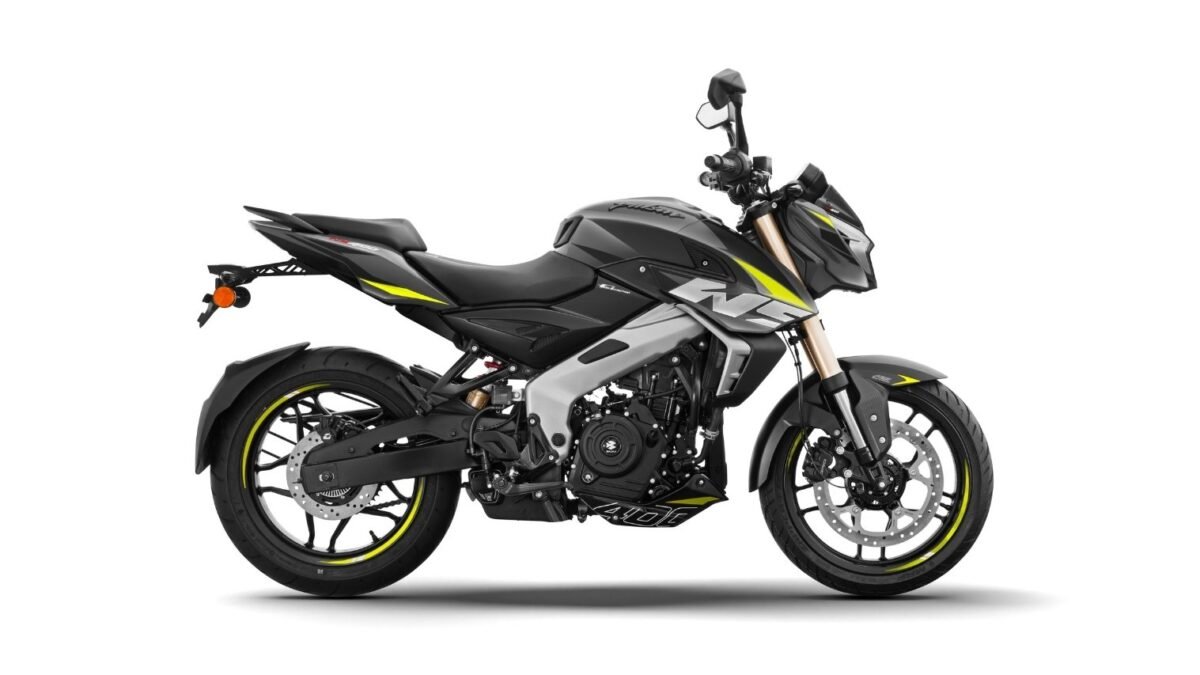
The bifurcation of GST on two-wheelers, especially levying 40 percent tax on 350cc plus models, has led to several unexpected product development decisions. One of the major home-grown brands, Bajaj Auto, has significantly reduced the engine displacement of its popular motorcycles like the Pulsar NS400Z and Dominar 400 from 373 cc to 349 cc so that it enjoys the lower (18%) GST benefits and subsequently price the products aggressively.
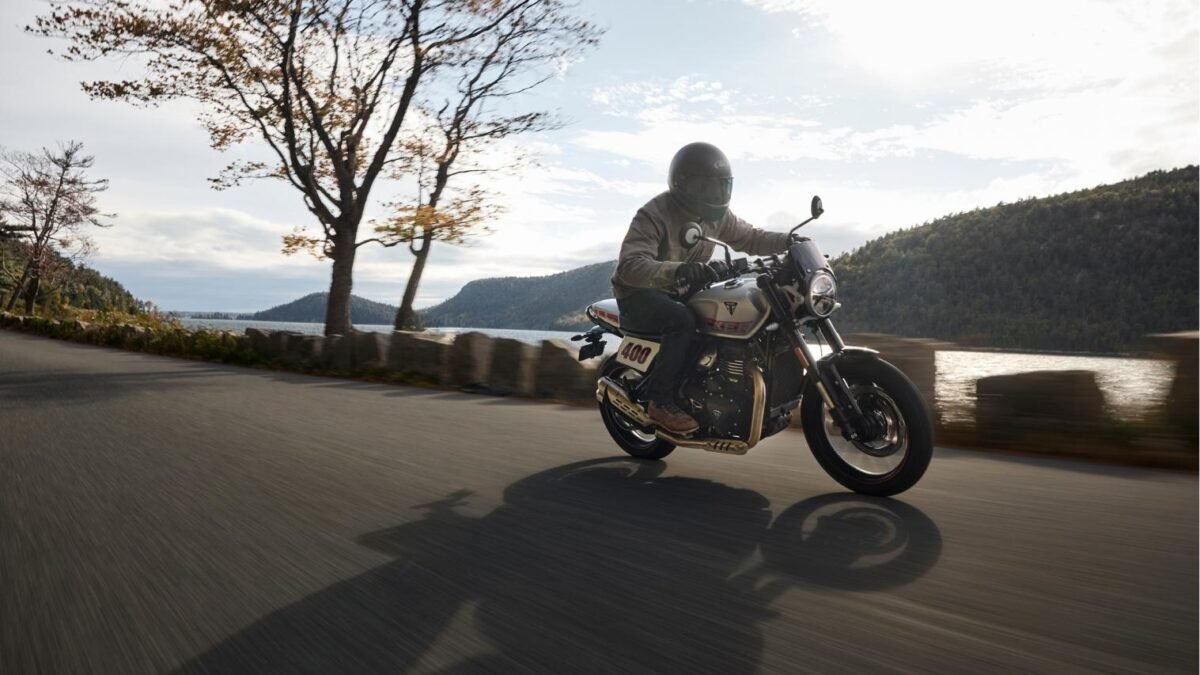
Further, Bajaj has also introduced <350cc engine in the locally manufactured KTM 390 and Triumph 400 range of motorcycles. While the 390 Duke and 390 Adventure get the 349cc engine in place of the existing 399cc LC4 engine, the Triumph models are equipped with the same 349cc engine in place of the 398cc liquid-cooled engine. Bajaj Auto was compelled to make these changes due to the overhaul in the GST regime.
Saket Mehra, partner, Grant Thornton Bharat, said, “The premium motorcycle category caters to a relatively narrower consumer base. These buyers are less sensitive to moderate increases in taxation, and brand, performance, and experience play a larger role in purchase decisions.” It could also be true but the sales data clearly states that GST 2.0 played a major role in widening gap between the sales of smaller and bigger motorcycles.