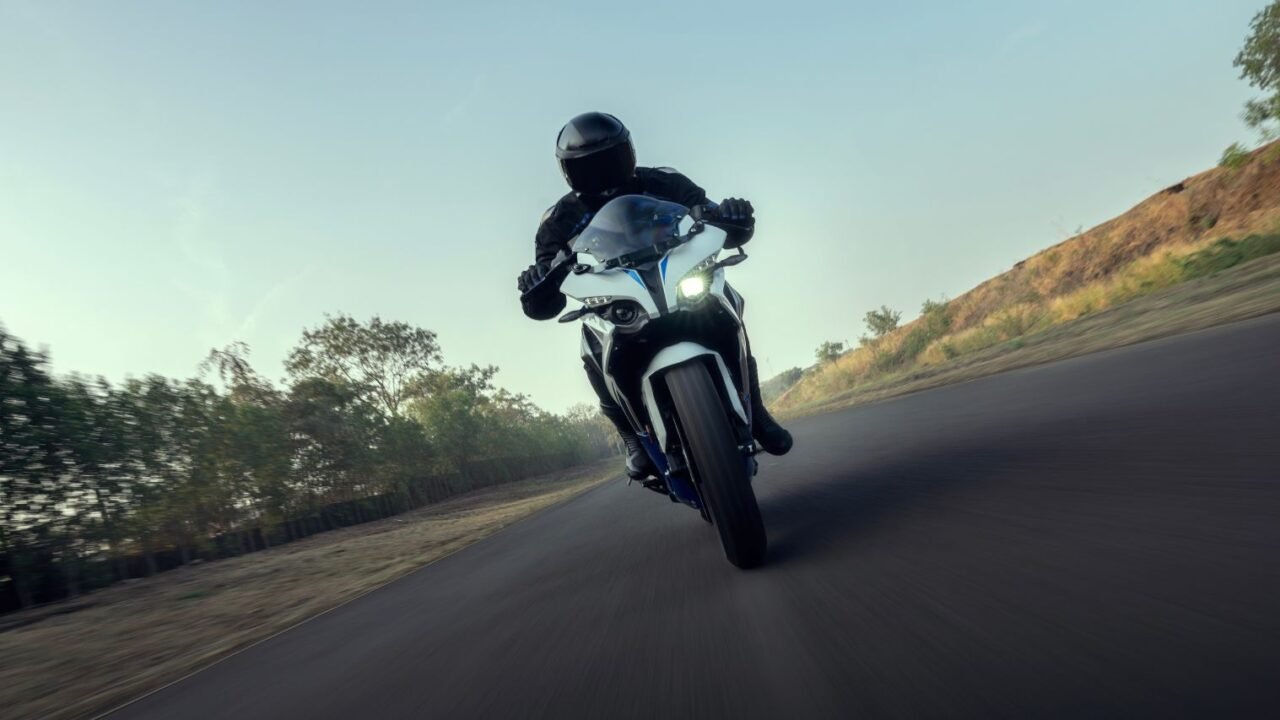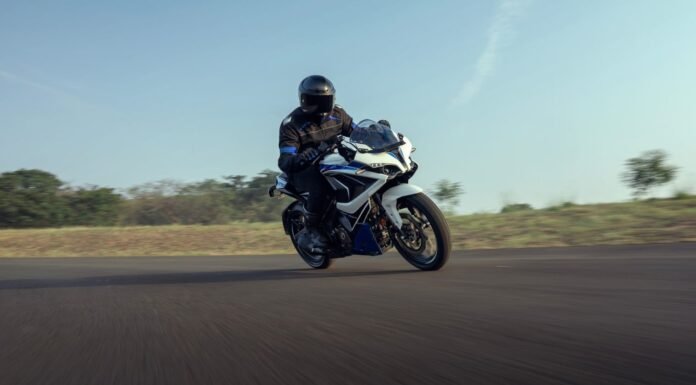
The latest iteration of the full-faired bike come with modern features, premium hardware and more powerful engine
The 2026 Bajaj Pulsar RS200 has been launched at a price point of Rs 1.98 lakh (ex-showroom, Delhi) in the Indian market. It is around Rs 16,000 more expensive than the outgoing model due to the modern features, premium hardware and more powerful engine. The 2026 Pulsar RS200 was spotted undisguised a couple of days back on the roads and a launch was imminent. The fully-faired motorcycle directly rivals KTM RC 200, Yamaha R15 V4, Hero Karizma XMR 210 and Suzuki Gixxer SF 250 in the domestic market in India.
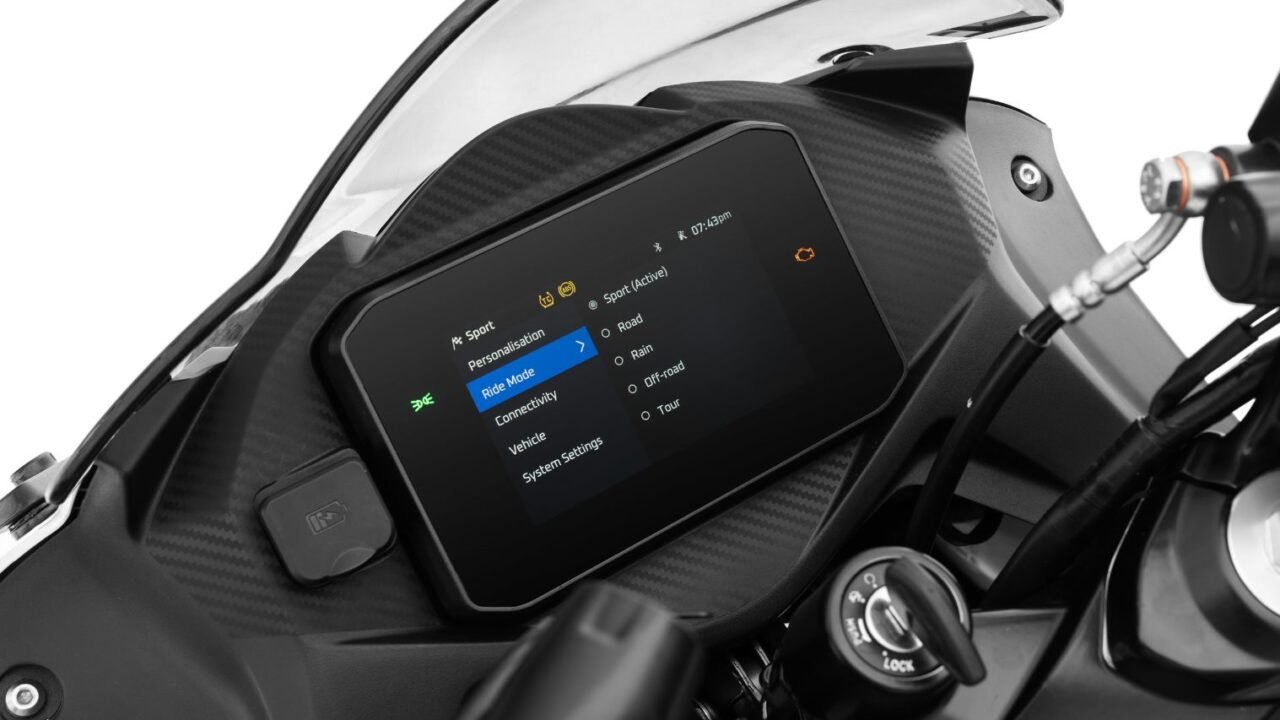
First things first, the 2026 Bajaj Pulsar RS200 gets an Electronic Throttle Body (ETB) system with multiple ride modes. In addition, the brand has equipped it with traction control system and Sports Shifter as standard fitments. It also boasts of premium hardware in the form of 37 mm USD front forks and a wider 140/70-R17 radial rear tyre
Identical to almost every Pulsar motorcycle launched in the recent days, the 2026 Pulsar RS200 also comes with the same 5-inch instrument cluster with TFT display which replaces the existing coloured LCD unit. It is compatible with Google Maps mirroring and enables turn-by-turn navigation on the console. A few other notable features onboard are adjustable levers, Panic Brake Alert, a USB Type-C port and a hazard switch.
Mechanically, the 2026 Pulsar RS200 carries the same 199.5cc fuel-injected liquid-cooled petrol engine which dishes out 25.3 bhp at 9,750 rpm and 18.7 Nm at 8,000 rpm. The engine is mated to a 6-speed transmission with assist and slipper clutch. The power output has gone up from 24.3 bhp to 25.3 bhp – up by 1 bhp. The torque figures, however, remain the same.
Speaking on the announcement, Sarang Kanade, Chief Business Officer, Two-wheeler Business Unit, Bajaj Auto Ltd., said, “The Pulsar RS200 has always stood for bringing the excitement of racing-inspired performance to the road. With this upgrade, we are taking that experience further by introducing technologies that give riders greater control, adaptability and connectivity, while retaining the distinctive character of the RS. It is another step in our endeavor to make advanced motorcycling technology more accessible, without losing sight of what makes a Pulsar.”